







Why some objects defy obsolescence
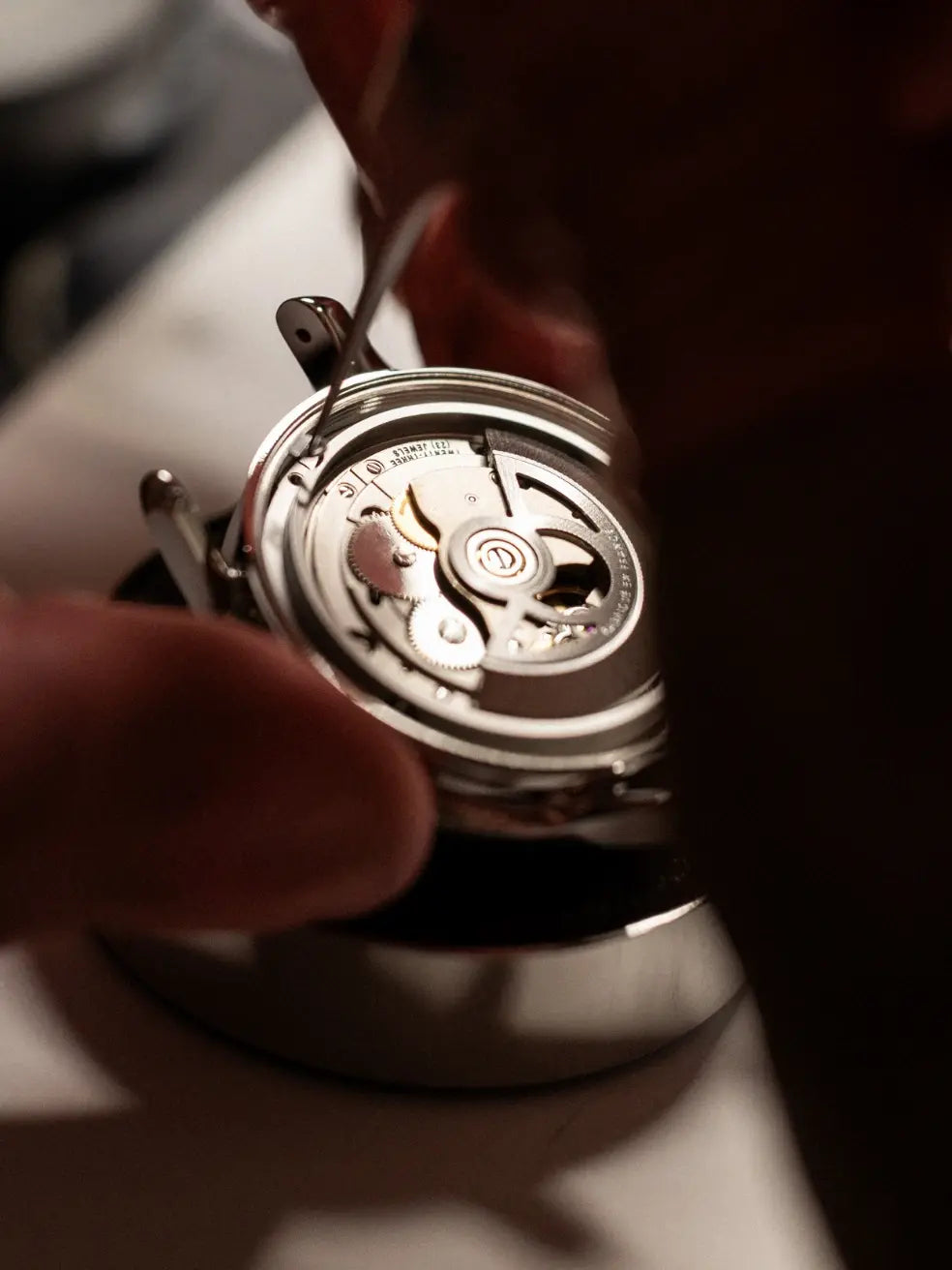
A mechanical movement maintained runs for several decades. This longevity is no accident: it's due to a design that's modular, repairable, and built to last. Choosing an automatic watch for women requires understanding three things: how the movement generates its energy, what technical criteria distinguish a durable piece, and what maintenance it requires.
Key takeaways
- A women's automatic watch winds itself thanks to wrist movements, without a battery.
- The power reserve of common calibers is between thirty-eight and forty-two hours. The most popular case diameter today ranges from thirty-three to thirty-eight millimeters.
- Regular servicing helps preserve the movement's accuracy and performance. Depending on the caliber and how the watch is used, it can generally be considered every four to six years.
- An interchangeable strap extends the lifespan of the same watch.
How a women's automatic watch works
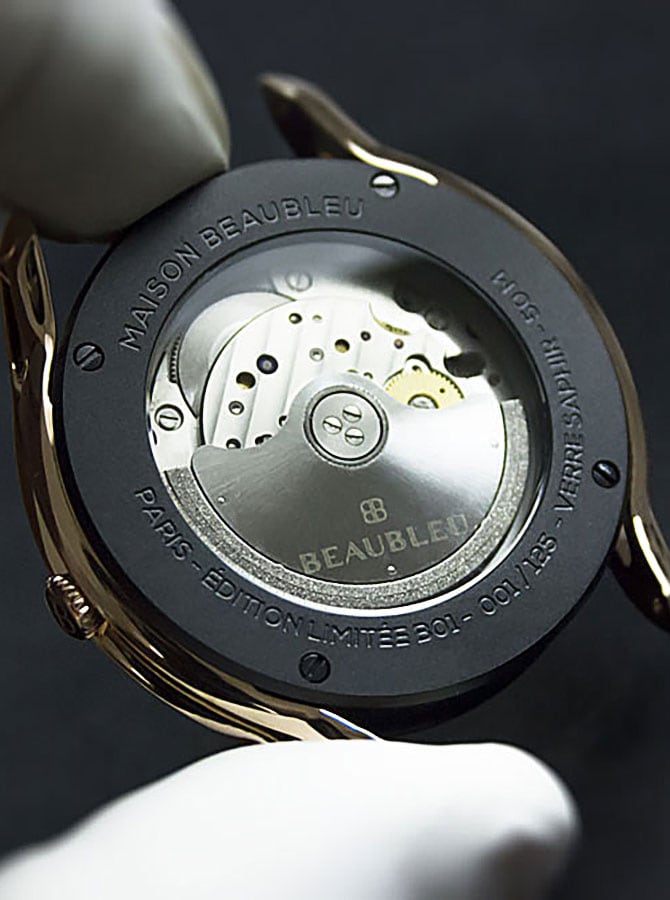
A women's automatic watch is a mechanical timepiece whose movement is wound by an oscillating weight, the rotor, set in motion by wrist gestures. This rotation gradually winds the mainspring, which then regularly releases its energy to the entire mechanism.
The power reserve measures the autonomy of the watch once it's removed from the wrist. The most common automatic calibers offer between thirty-eight and forty-two hours, which means a full weekend without being worn. Beyond that, a few turns of manual winding by the crown immediately restarts the movement.
The accuracy of a standard mechanical caliber is expressed in seconds per day, generally within a range of minus twenty to plus forty seconds. This adjustment is corrected at the workshop. In practice, a watch worn daily stabilizes after a few weeks, with the wearing rhythm directly influencing the regularity of its operation.
Criteria for choosing a women's automatic watch
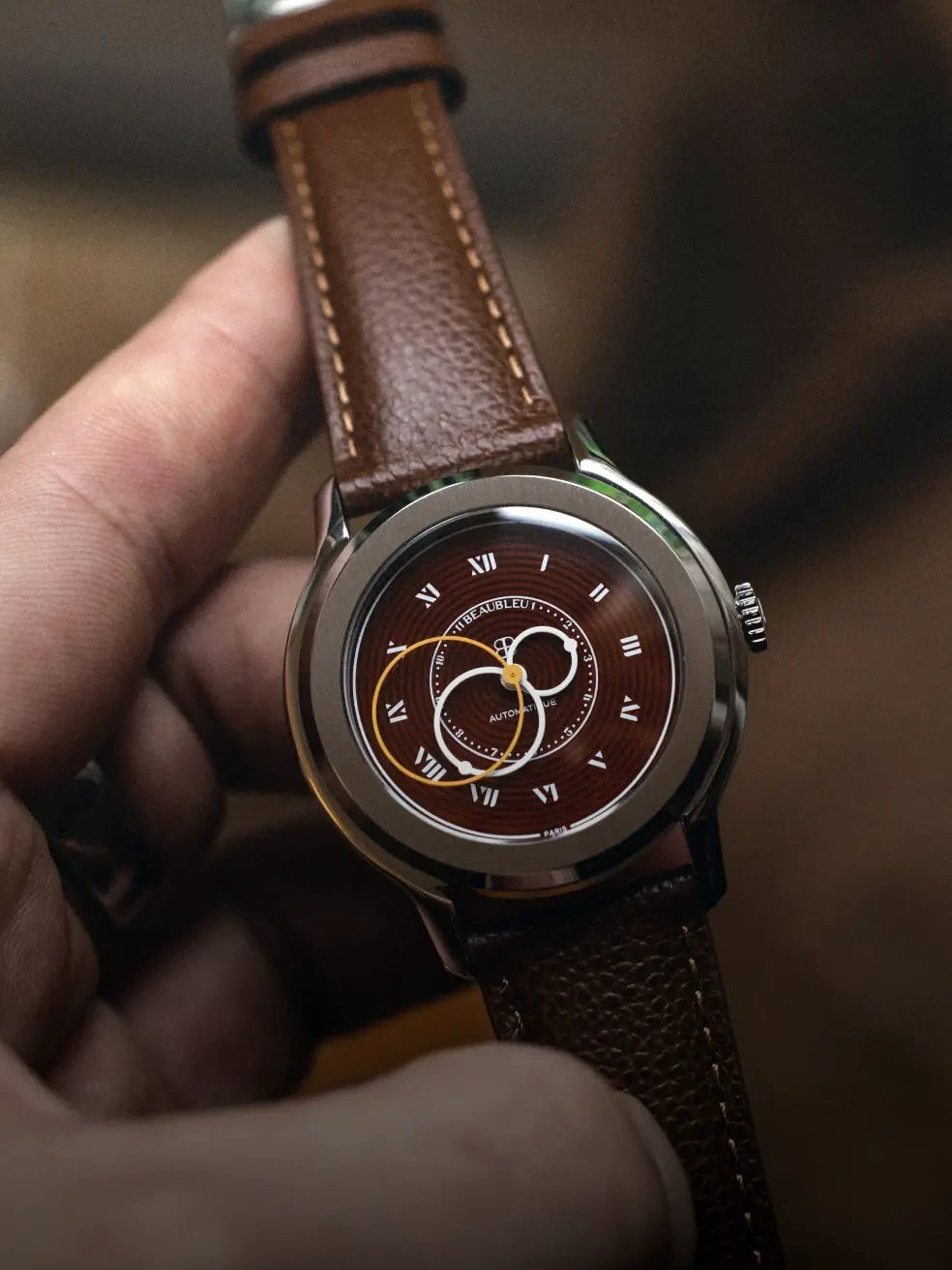
The case diameter is the first criterion for comfort. Women's proportions today are between thirty-three and thirty-eight millimeters, compared to twenty-six millimeters in the 1990s. Thickness matters just as much: an automatic case rarely exceeds eleven millimeters and should slide under a shirt sleeve without forcing.
Dial legibility differentiates two technically equivalent pieces. Observe the contrast between the hands and the background, the presence of luminous treatment, the geometry of the hour markers.
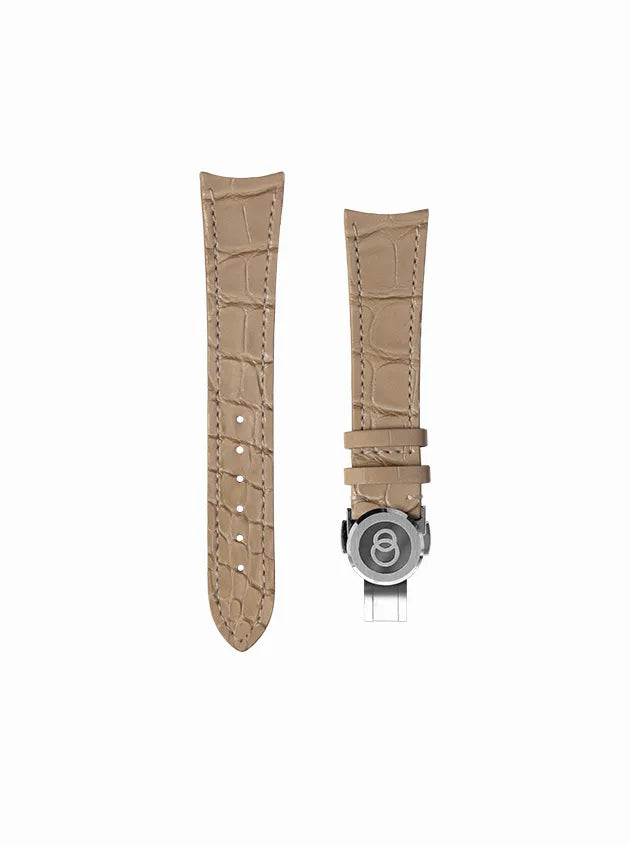
Three technical elements deserve verification before purchase. Sapphire crystal, with a hardness of nine on the Mohs scale, resists everyday scratches. A water resistance of five ATM covers daily splashes. A tool-free interchangeable strap system makes it easy to change straps as desired, to adapt the watch to every outfit or occasion.
Check the lug width indicated in millimeters, as it determines the compatibility of available straps.
Maintaining and passing down your automatic watch
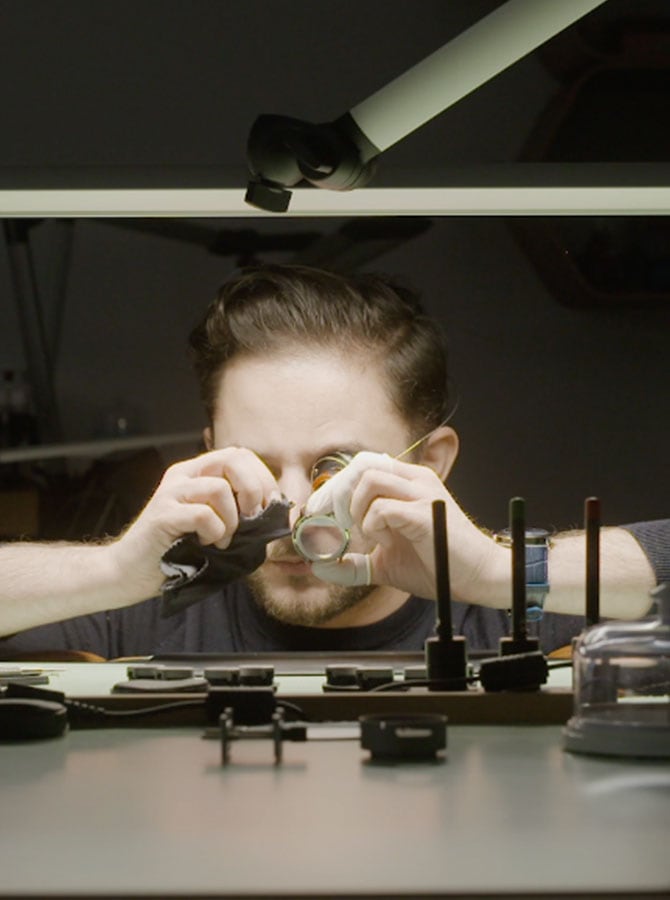
Watch servicing involves disassembling the caliber, cleaning it, relubricating it, replacing gaskets, and regulating its operation. Three simple actions preserve a women's automatic watch daily. Wear it regularly, as the movement is maintained through use. Keep it away from strong magnetic sources.
A women's automatic watch that is rarely worn requires particular attention. Left motionless for several months, it stops without any damage: a few turns of the crown and a time adjustment are enough to restart it. However, lubricating oils age even when idle, which justifies maintaining the service schedule regardless of how often it's worn.
Transmission is prepared through traceability. A well-documented service book, a preserved serial number, and digital property tracking devices document the watch's history.
Discover the automatic watch models from our permanent collection now.
Understanding the movement, checking the right technical criteria, and respecting the servicing schedule: these three reflexes are enough to make a women's automatic watch a piece that lasts for decades. The assembly expertise and reparability do the rest.