



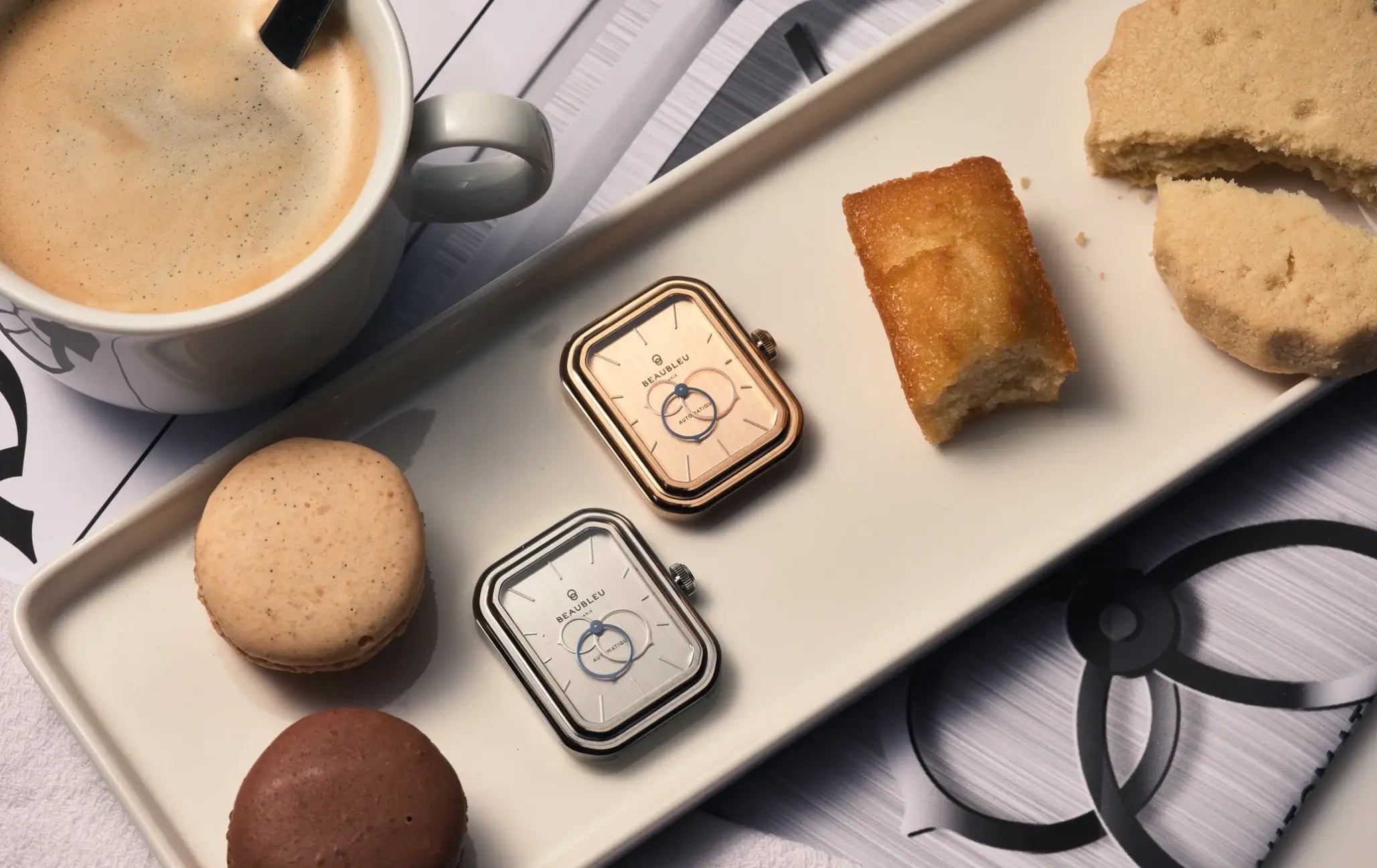
Water-resistant watches: real-world uses and common misconceptions in watchmaking
Every so-called "waterproof" watch is not waterproof to the same degree, and this difference matters, far beyond a simple spontaneous swim. Water resistance remains one of the most misunderstood aspects in watchmaking, often leading to disappointment, or even damaged watches.
What a water resistance rating truly means, what it doesn't guarantee, and how this translates into choosing a timepiece: this is what we will explain in this article.
What "waterproof" really means in watchmaking
A watch's water resistance is defined by its resistance to water pressure, expressed in meters (m) or ATM (atmospheres). The international standard ISO 22810 establishes the static testing protocols that manufacturers refer to. A timepiece certified 3 ATM / 30 m has undergone pressure equivalent to that exerted by 30 meters of water column under static conditions. Which, in practice, does not mean it can withstand immersion at that depth.
The confusion arises from the discrepancy between static measurement and actual dynamic conditions. Dipping your hand, swimming, rotating your wrist: every movement generates additional pressure on the water-resistant seals. A watch water resistant to 30 m can be damaged by a shower if the sudden temperature change expands the seals. Hot water, chlorine, and salt water accelerate their aging, regardless of the displayed rating.
Decoding ATM ratings: real correspondence table
Water resistance ratings follow a precise hierarchy, but their translation into concrete uses rarely goes beyond what the technical specifications indicate.
3 ATM / 30 m: Protection against splashes and light rain. No swimming, no prolonged showering. This is the most common rating for watches.
5 ATM / 50 m: Suitable for surface swimming and light water activities, excluding diving and intense water sports. Daily use near water without risk, provided jacuzzis and diving are avoided.
10 ATM / 100 m and beyond: Designed for swimming, snorkeling, and water sports. Beyond 20 ATM / 200 m, we enter the realm of true diving watches, with screw-down crowns and thick sapphire crystal.
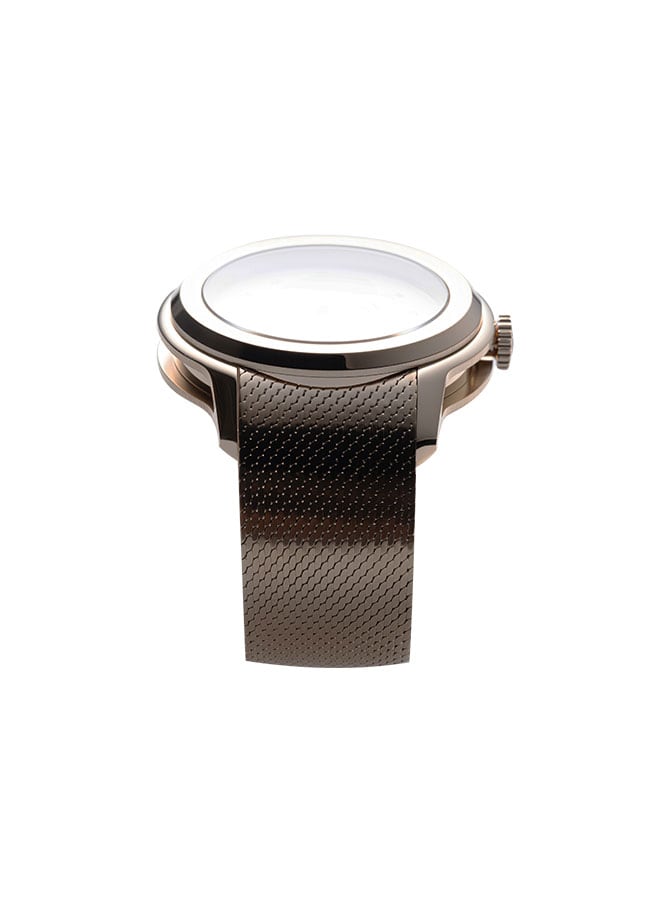
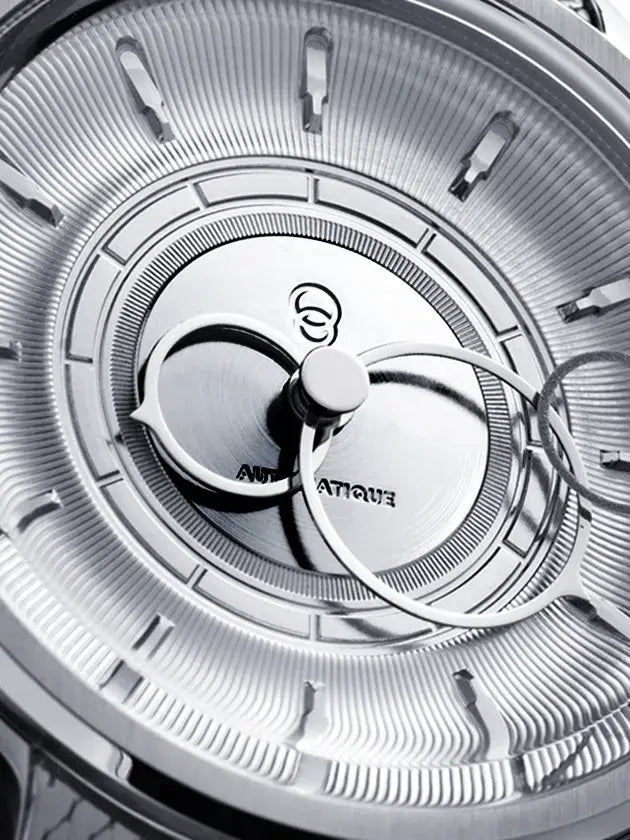
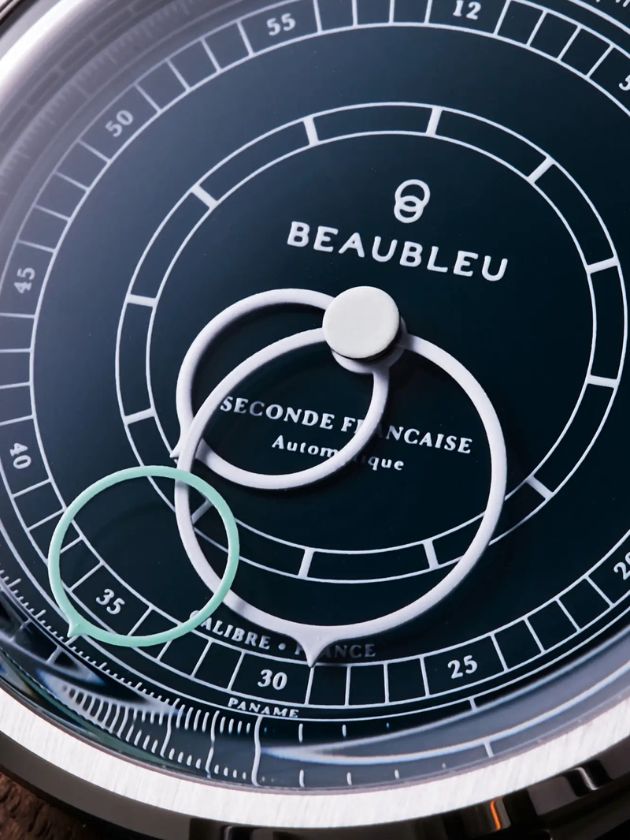
Discover the Seconde Française collection - 5 ATM water resistance
The three most persistent misconceptions
The rating is enough to guarantee lasting protection
A water-resistant seal ages. Whether made of rubber, silicone, or nitrile, it degrades under the effects of heat, UV, and chemicals. The ISO 22810 standard recommends submitting a timepiece to a water resistance check every two to three years, regardless of the displayed rating. In practice, a water-resistant watch purchased five years ago without intermediate checks no longer offers the guarantees of its original rating.
A waterproof watch does not require special maintenance
It's precisely the opposite. After every contact with seawater or chlorine, rinsing the case with fresh water significantly extends the life of the seals. Never operate the crown or pushers underwater, unless the watch is explicitly designed for it.
The crown, the primary point of vulnerability, deserves particular attention. It must always be fully pushed in and screwed down if the model allows it before any contact with water. A faulty crown gasket is the most frequent cause of infiltration in timepieces that should not have suffered it.
The higher the rating, the more robust the watch is overall
Confusing water resistance with overall quality is a common mistake. The ATM rating measures resistance to water pressure, nothing else. It says nothing about the quality of the crystal, the precision of the movement, or the attention to finishes. An automatic timepiece rated 3 ATM, rigorously conceived and carefully assembled, can surpass many performance-oriented aquatic pieces in design coherence.
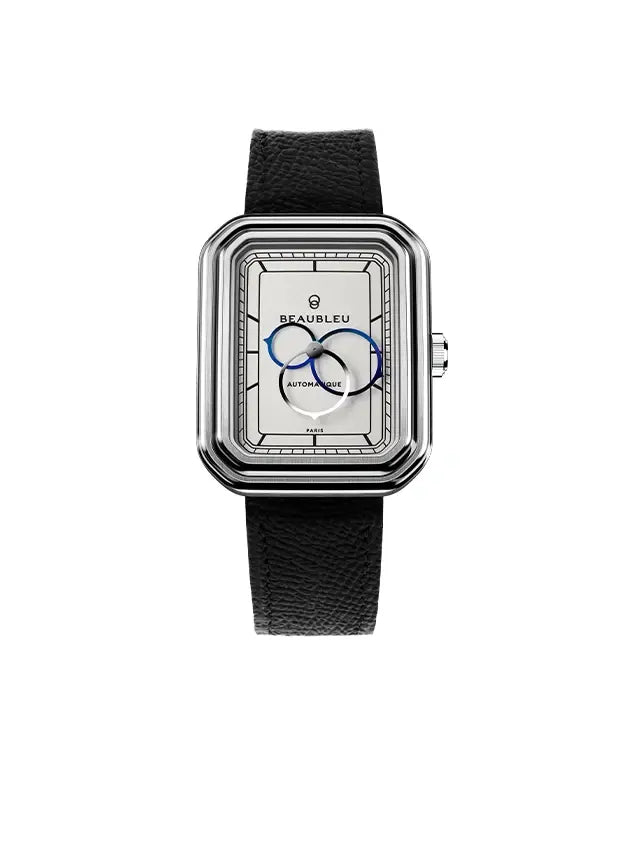
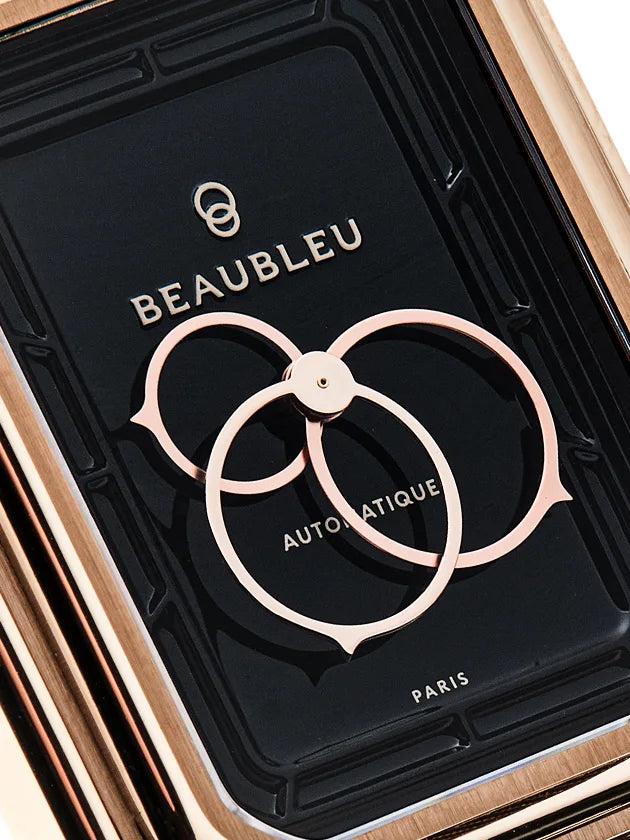
Discover the Ecce Figura collection - 3 ATM water resistance
Water resistance in creative watchmaking: a matter of hierarchy
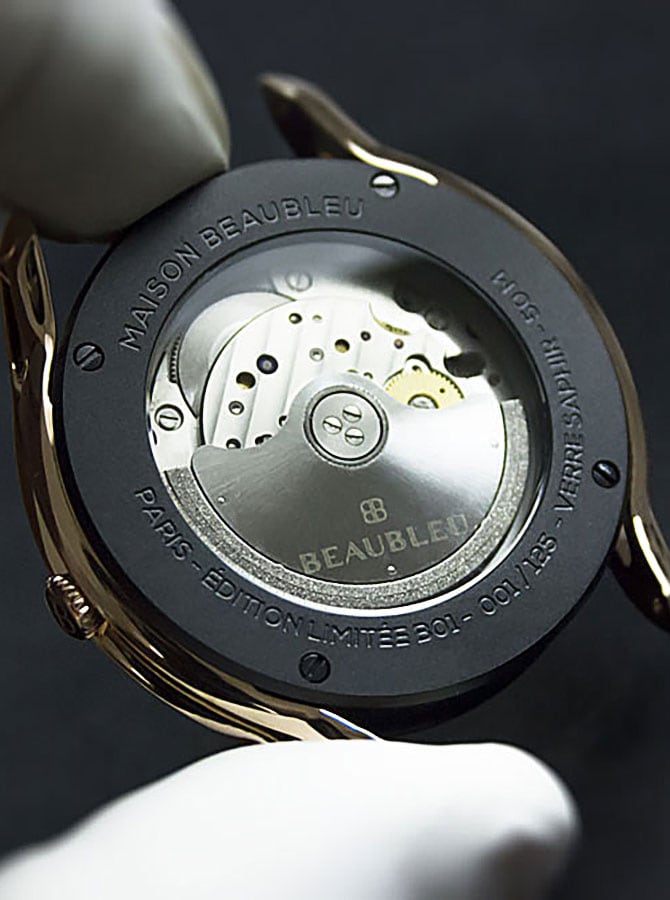
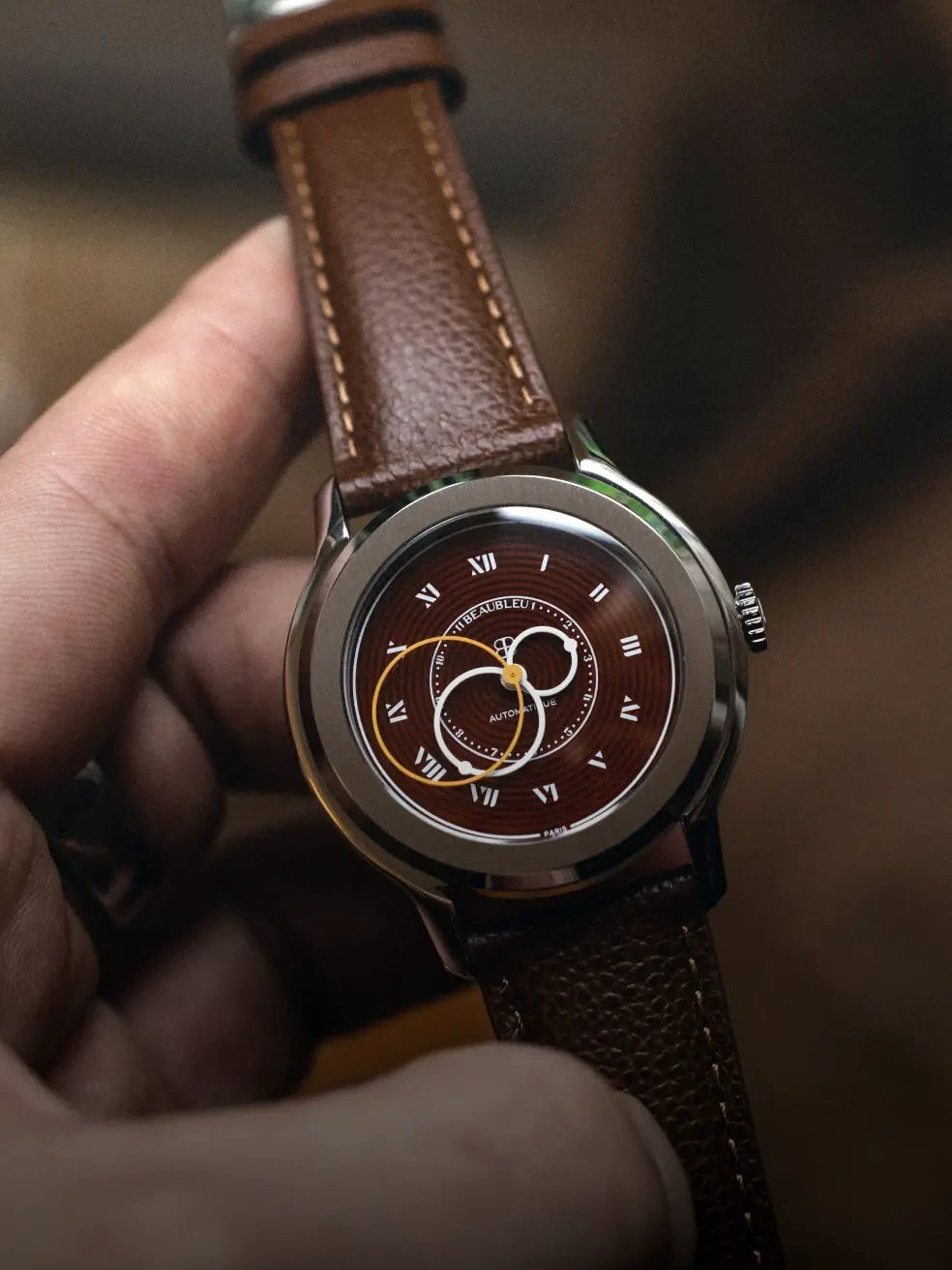
In a demanding approach to watch design, water resistance is not absent; it is thoughtfully considered. Beaubleu Maison's automatic watches display a rating of 3 to 5 ATM, suitable for daily urban use where accidental exposure to water (rain, hand washing, splashes) poses no risk.
A creative watch is not intended to compete with diver's equipment. Its purpose is to make time present, to make it an experience rather than a measurement. Water resistance here is a functional given, discreet by definition.
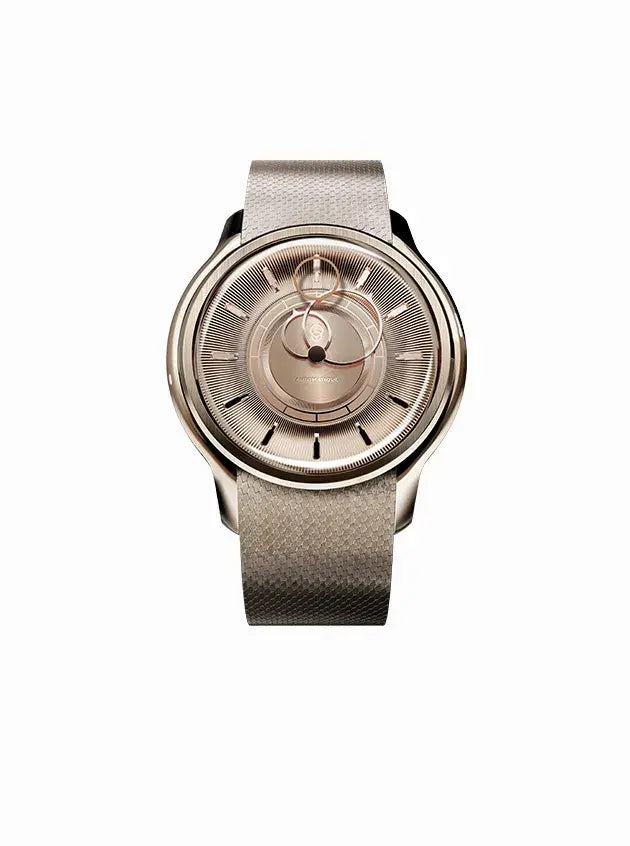
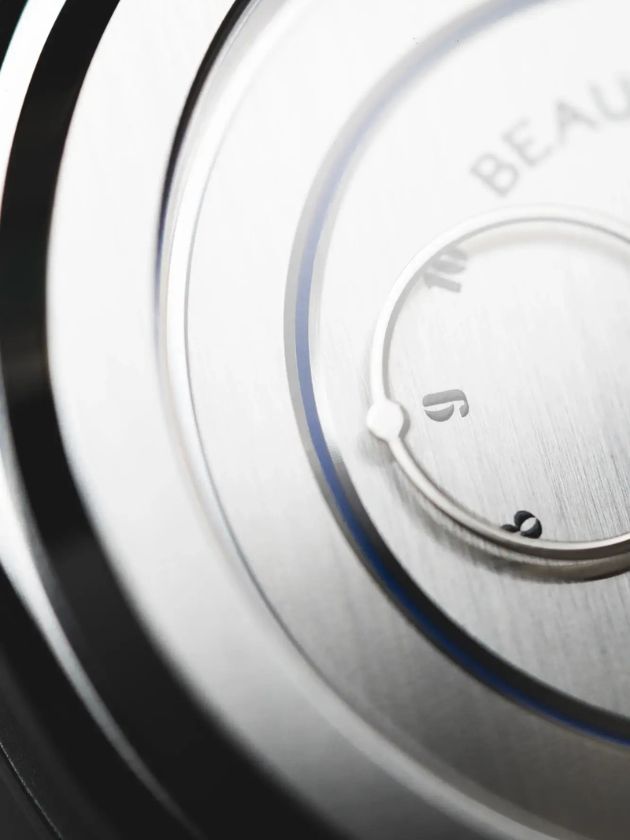
Discover the Ecce collection - 5 ATM water resistance
Caring for your water-resistant watch daily
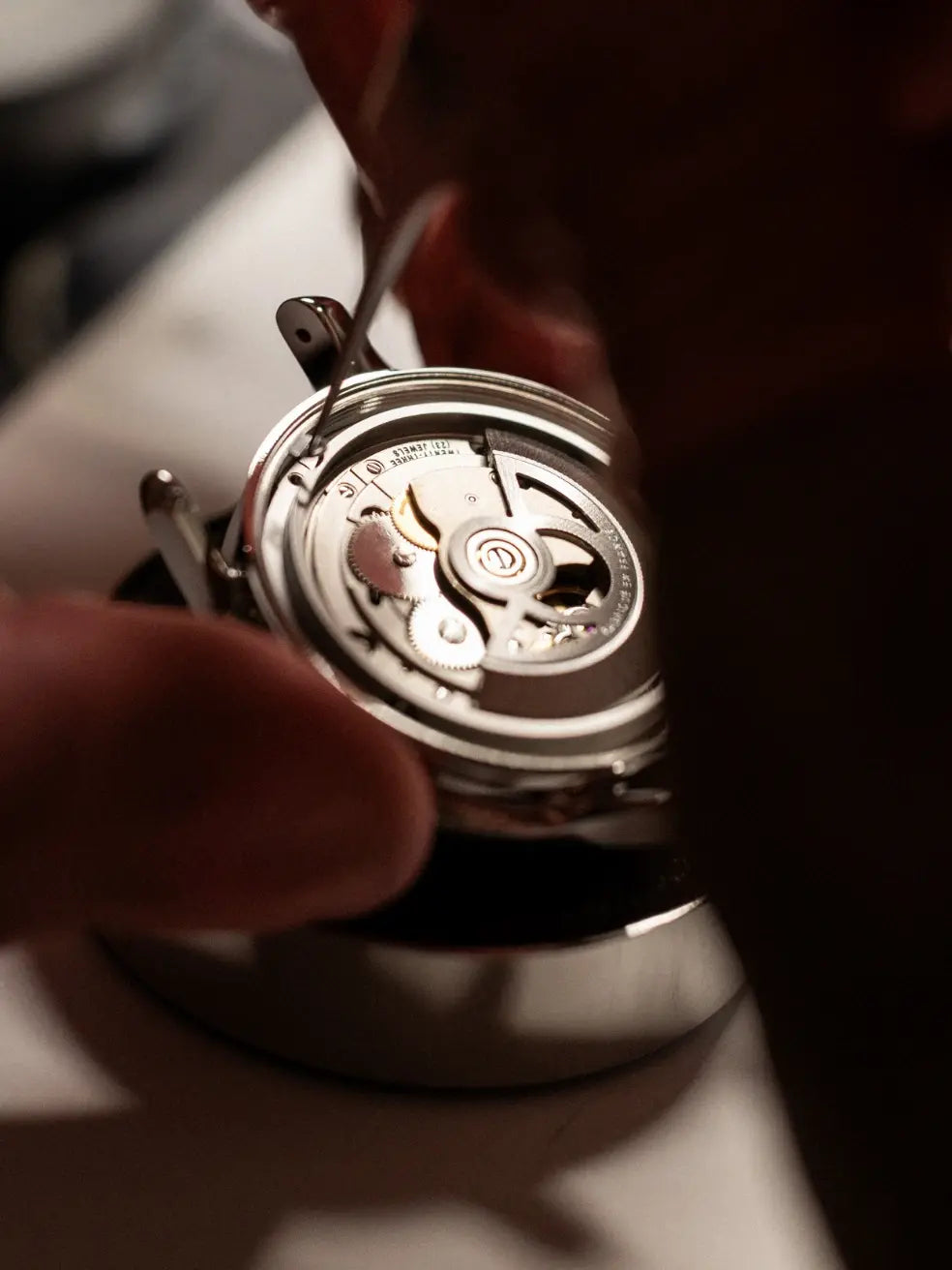
Three simple steps are enough to preserve a timepiece's water resistance over time: rinse the case with clear water after any contact with the sea or chlorine, avoid thermal shocks between cold and hot water, and schedule a water resistance check with a qualified watchmaker every two to three years. These precautions apply to a watch rated 3 ATM as well as to a 20 ATM piece.
Choosing a timepiece also means understanding what you truly demand of it. A water-resistant watch adapted to your daily use, worn with knowledge of its limits, will last much longer than an over-specified and neglected piece.