



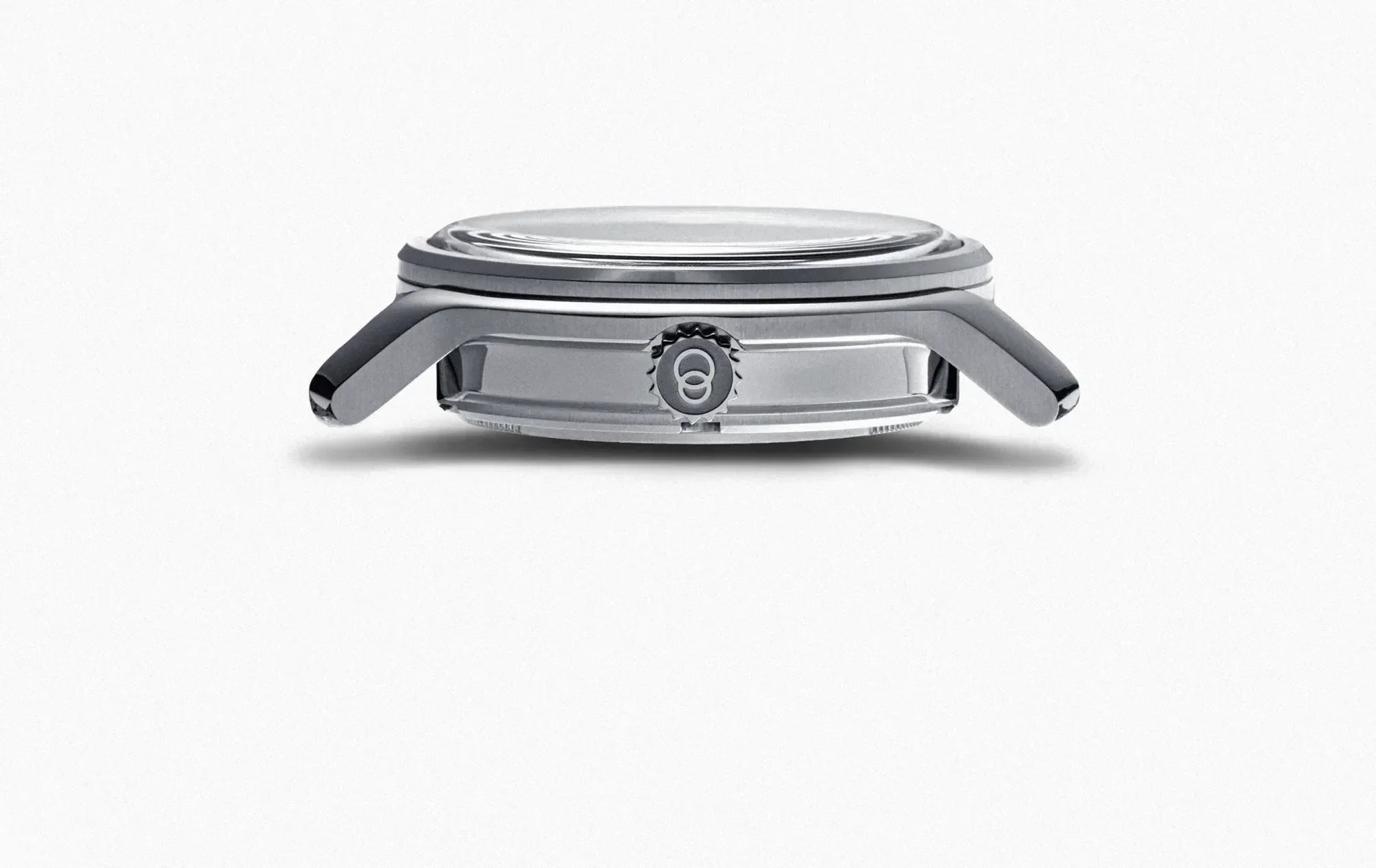
La Pièce - The Cases
Paris - July 23, 2026
Behind the scenes at the Beaubleu Workshops are being revealed through the Production Journey. A series of articles created to explain the manufacturing stages of Beaubleu watches and the challenges they pose.
After the hands, this third chapter is dedicated to the watch case. Follow its journey from raw material to the finished piece.
The Shape of Things
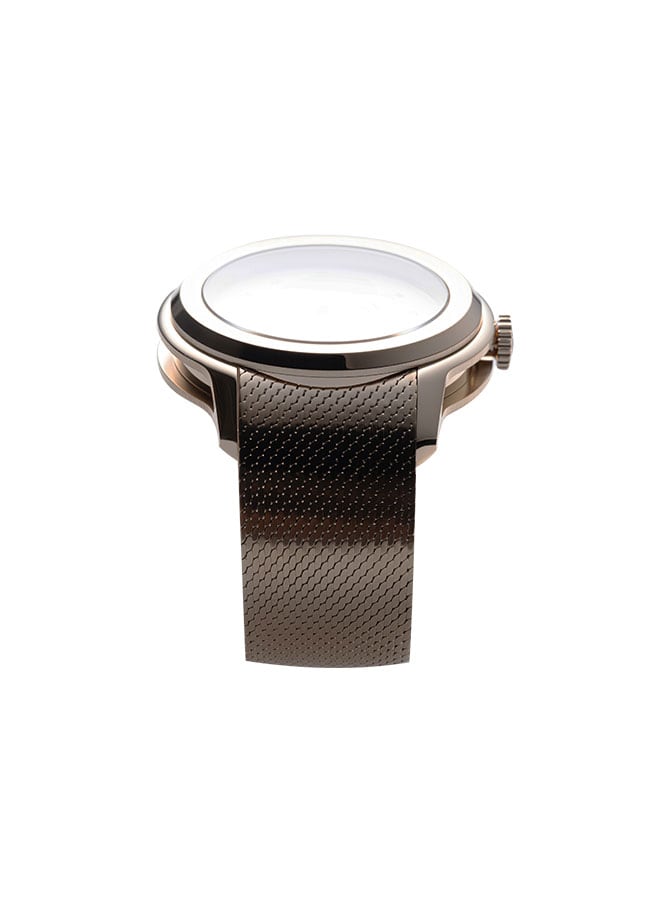
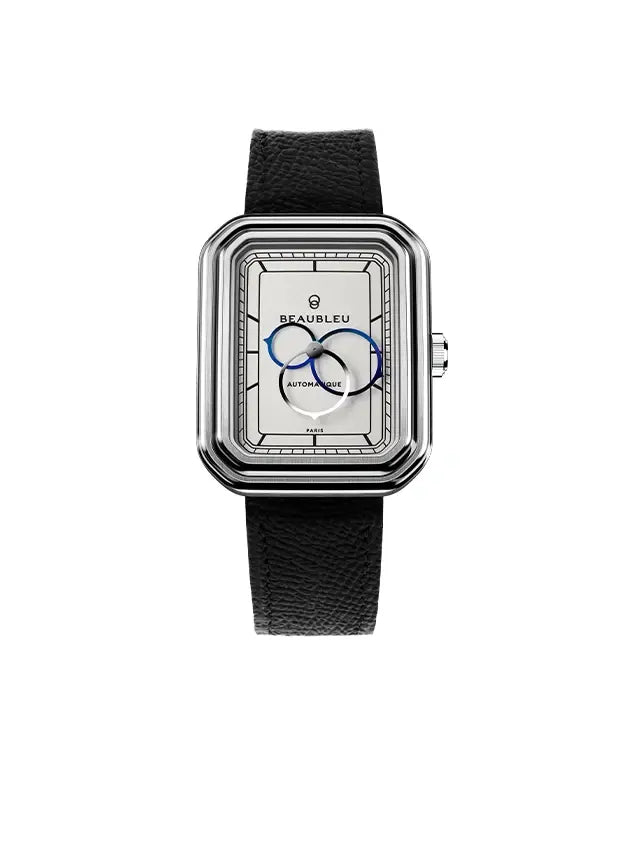
The case protects the movement, houses the dial and hands, while ensuring the watch's balance on the wrist. In addition to these functions, there are requirements for robustness, precision, and water resistance.
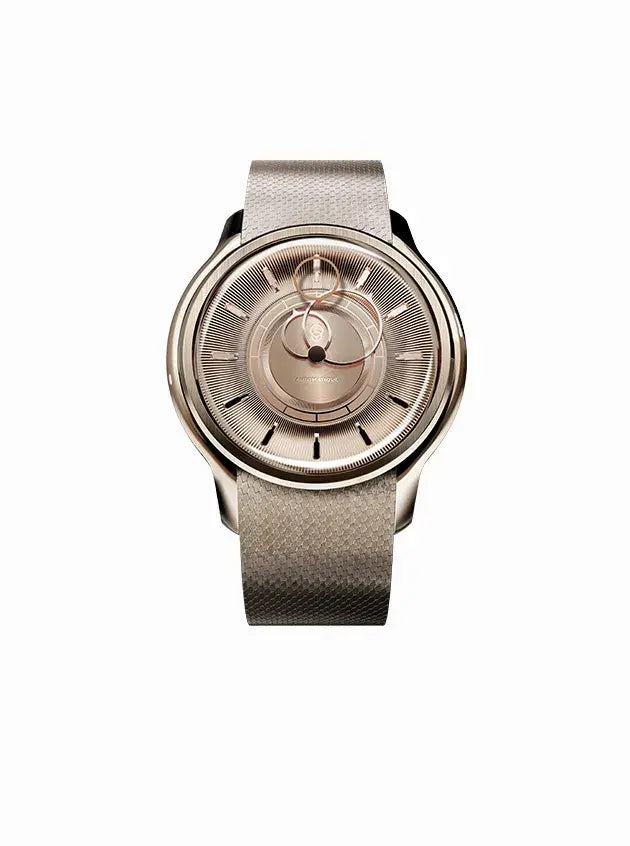
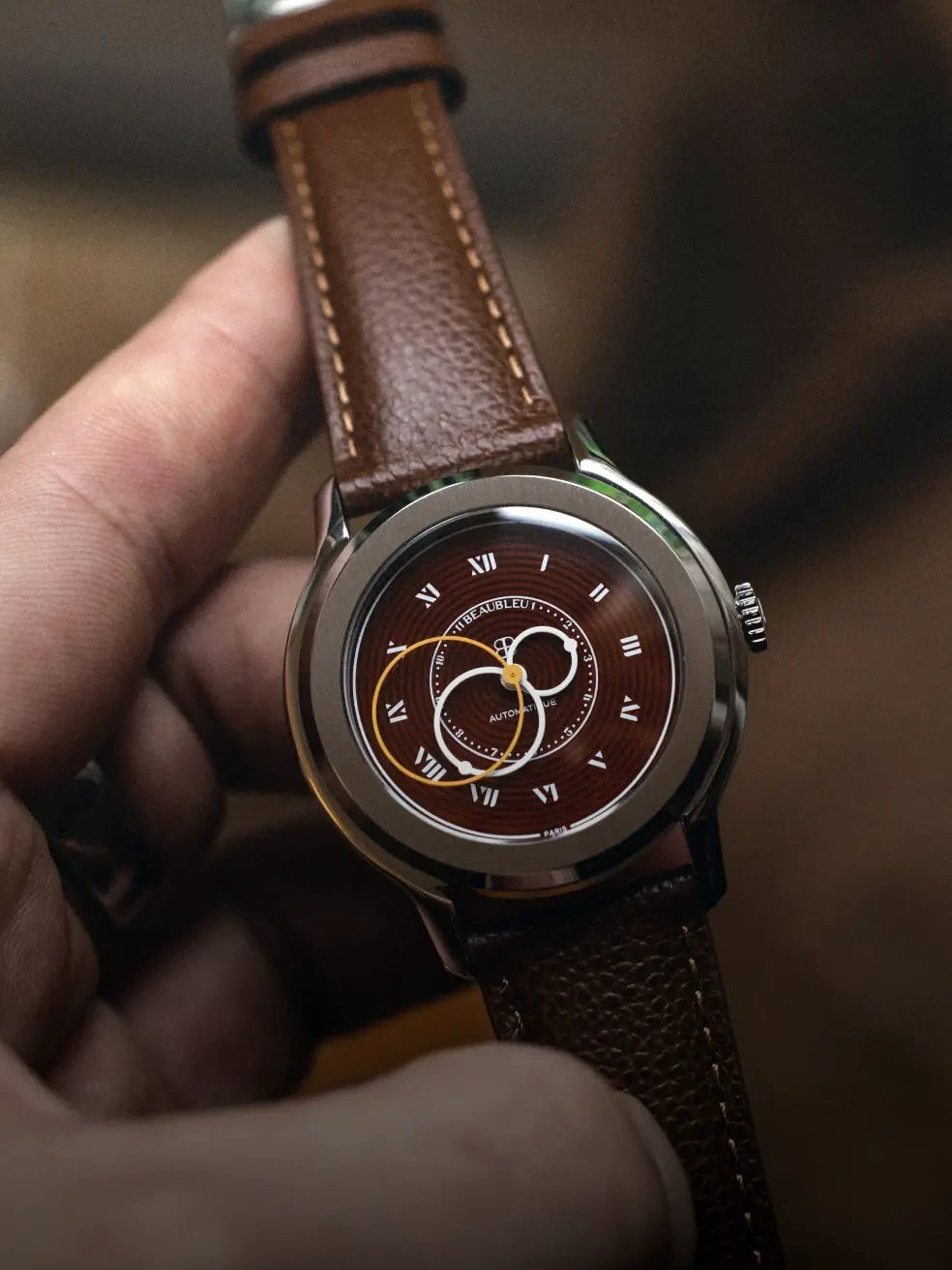
For La Pièce, it wasn't simply about designing a new case, but about continuing a reflection on proportions, light, and the tension of volumes. A watch's silhouette is often determined long before its assembly.
The Weight of Things
It all begins with stamping. Under the action of punches and dies, the metal is gradually compressed until it approaches its definitive geometry.
With each strike, the material shifts, densifies, and gains precision. The distribution of the metal directly determines the accuracy of the volumes and the sharpness of the lines.
Between each pass, the part is annealed to regain its flexibility before a new measurement of dimensions and thicknesses. Nothing very spectacular. Apparently.
A Question of Precision
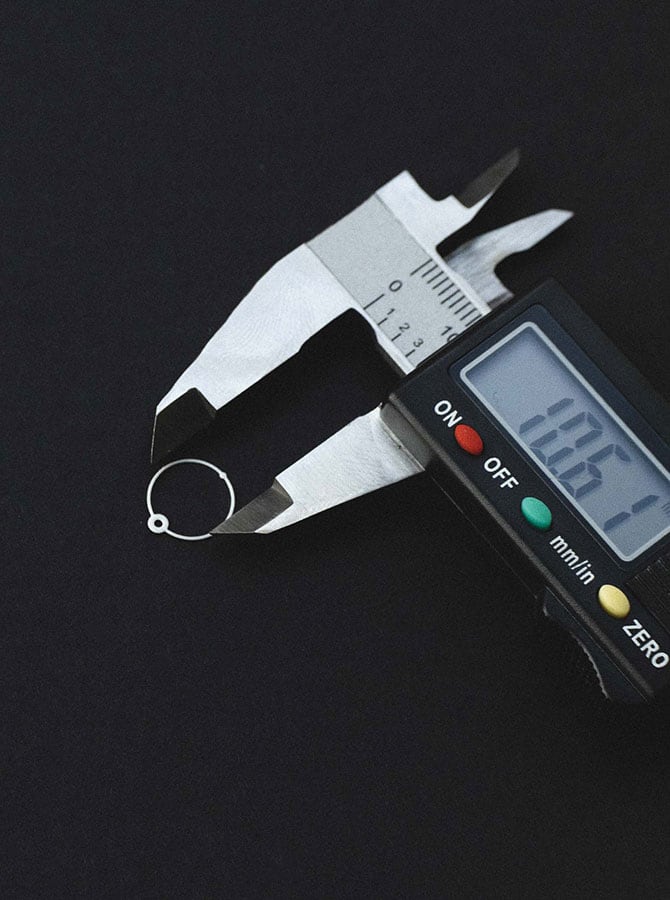
Once stamping is complete, the case undergoes machining. This is when it acquires its definitive dimensions. The different surfaces are worked with infinitesimal tolerances to ensure perfect alignment between the bezel, the case back, and all the components. A few microns are sometimes enough to change everything.
Maintaining perfect stability of the part throughout machining is one of the main challenges of this operation. Under the effect of mechanical constraints, the material can slightly deform. The opposite would have been surprising.
The Truth is in the Reflections
Polishing reveals the lines of the case as much as it shapes them. Every curve, every edge, and every transition between polished and satin-finished surfaces are reworked until perfectly homogeneous reflections are achieved.
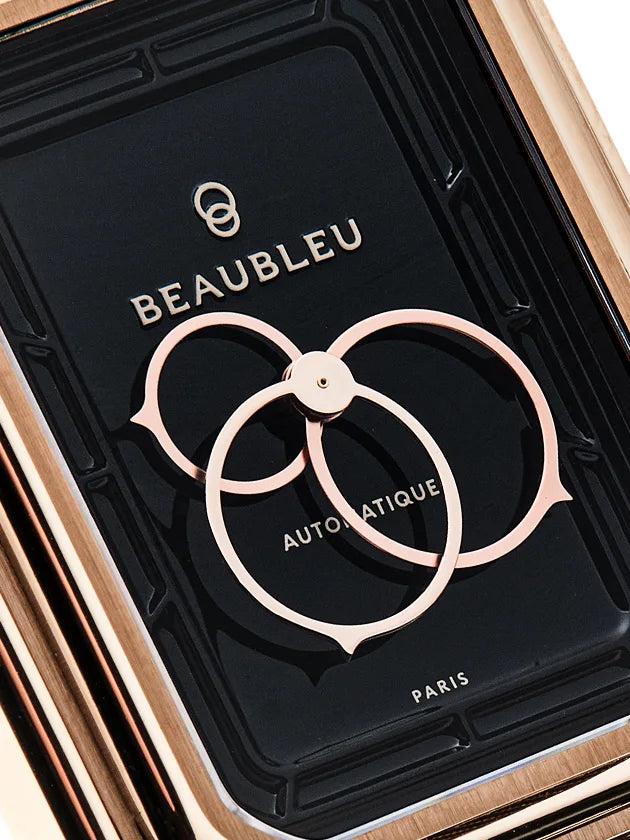
Reflections then become the best control tool. A micro-scratch or poorly controlled pressure is enough to redo the entire operation. The three rose gold models then receive a PVD treatment consisting of depositing a thin metallic layer onto the steel to achieve their final color.
Temperature, exposure time, and surface preparation must be perfectly controlled to ensure a homogeneous and durable deposit. Everyone has their own obsessions.
A Taste for Contrast
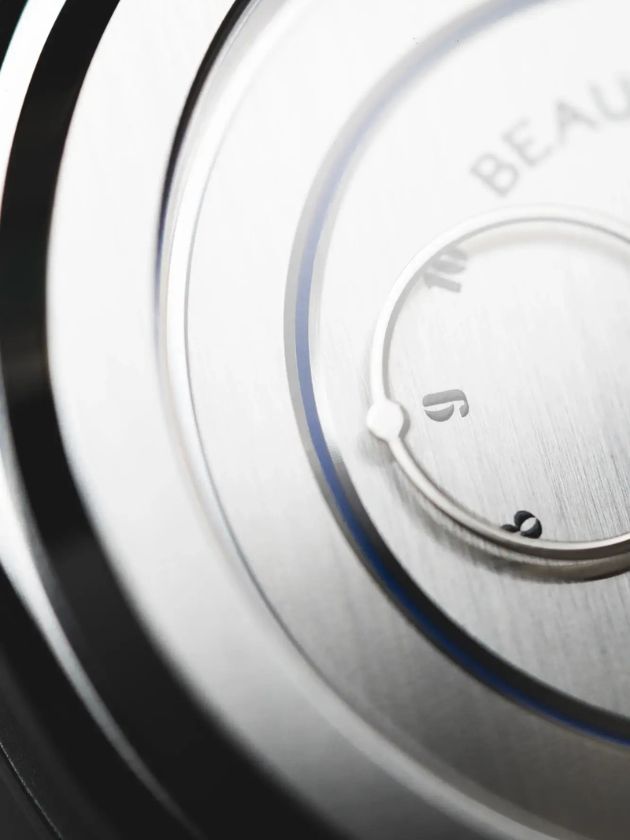
Satin finishing consists of creating fine parallel scratches directly in the material to obtain this characteristic finish.
During the operation, the polished areas are carefully protected. A simple overflow is enough to rework certain finishes, sometimes even several successive operations. As often, it's all about the details.
Seeing Further
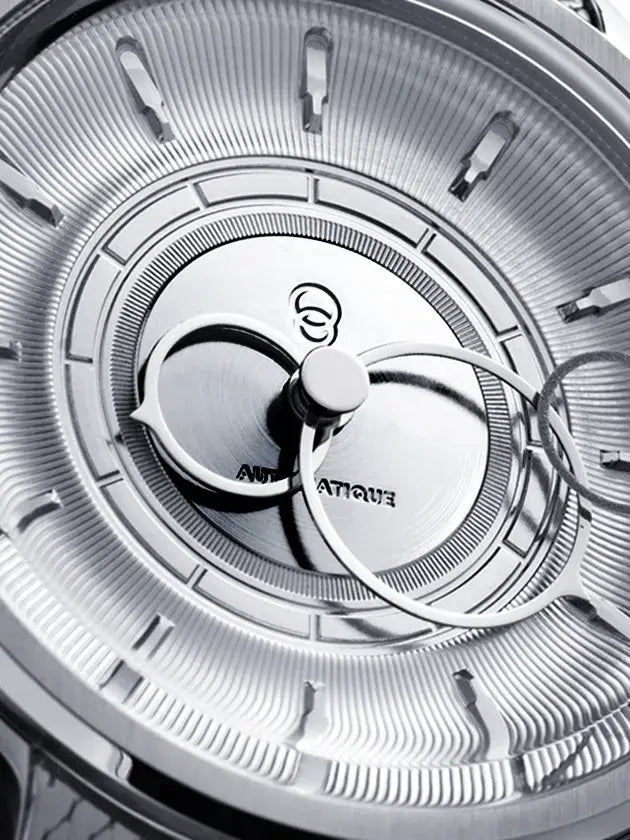
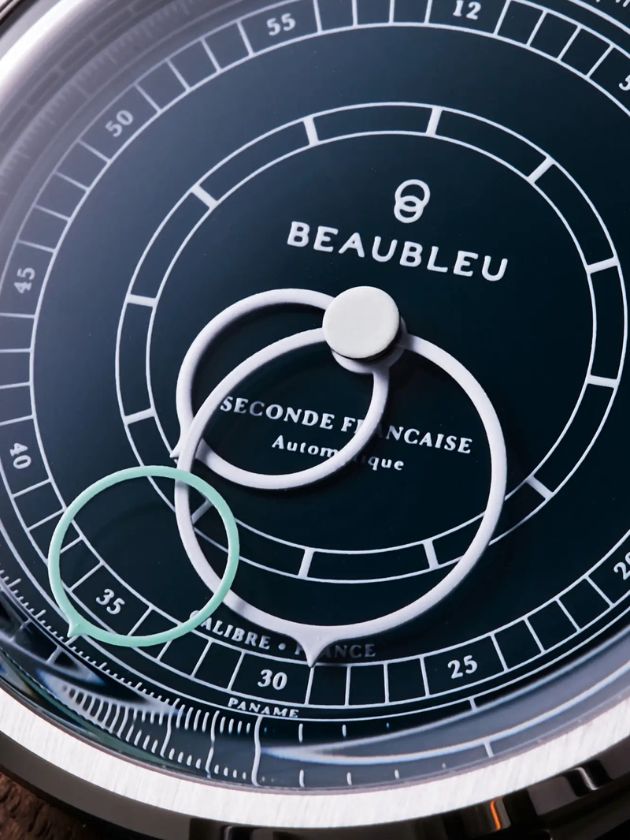
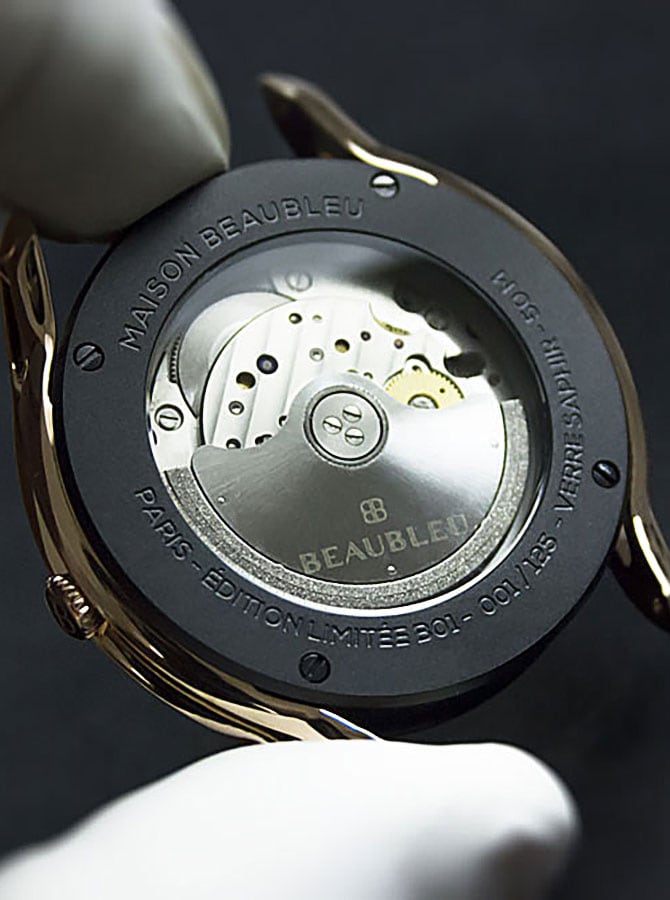
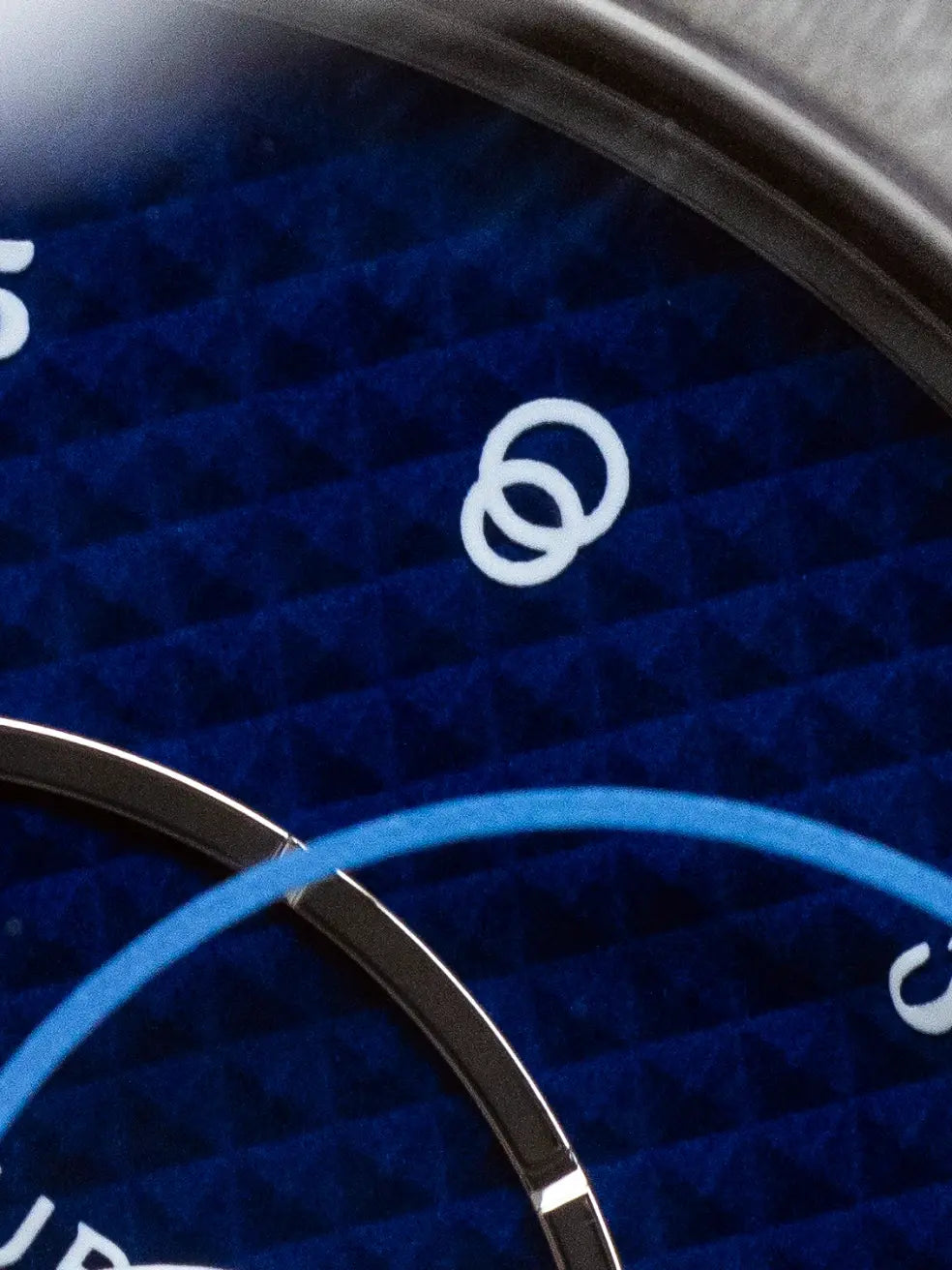
For La Pièce, a double-domed sapphire crystal was chosen, with curvature on both its outer and inner surfaces. This geometry accentuates distortions at the periphery of the dial, improves legibility from different angles, and creates a more gradual transition with it.
The sapphire naturally retains its scratch and shock resistance.
The Verdict
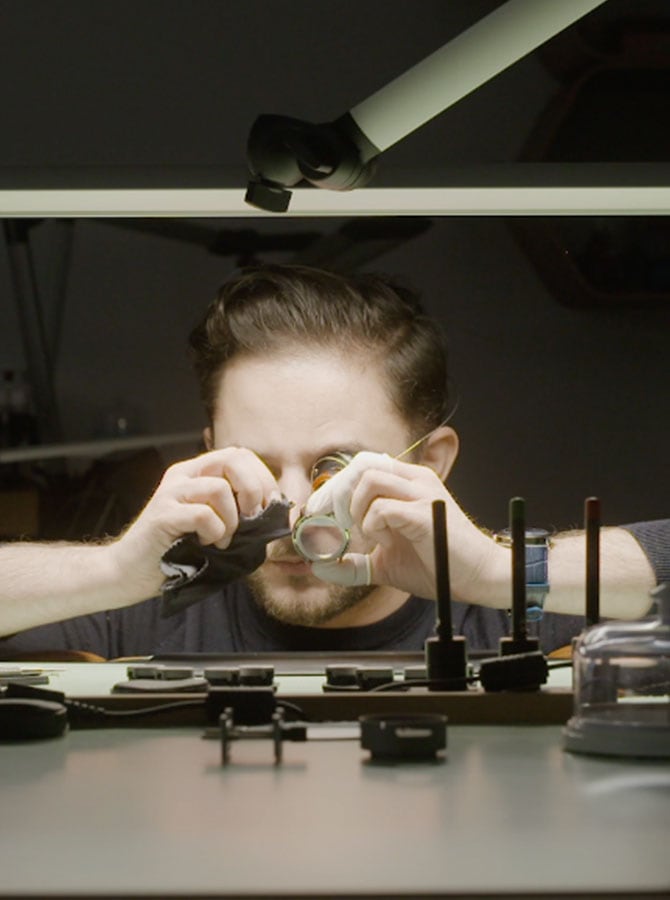
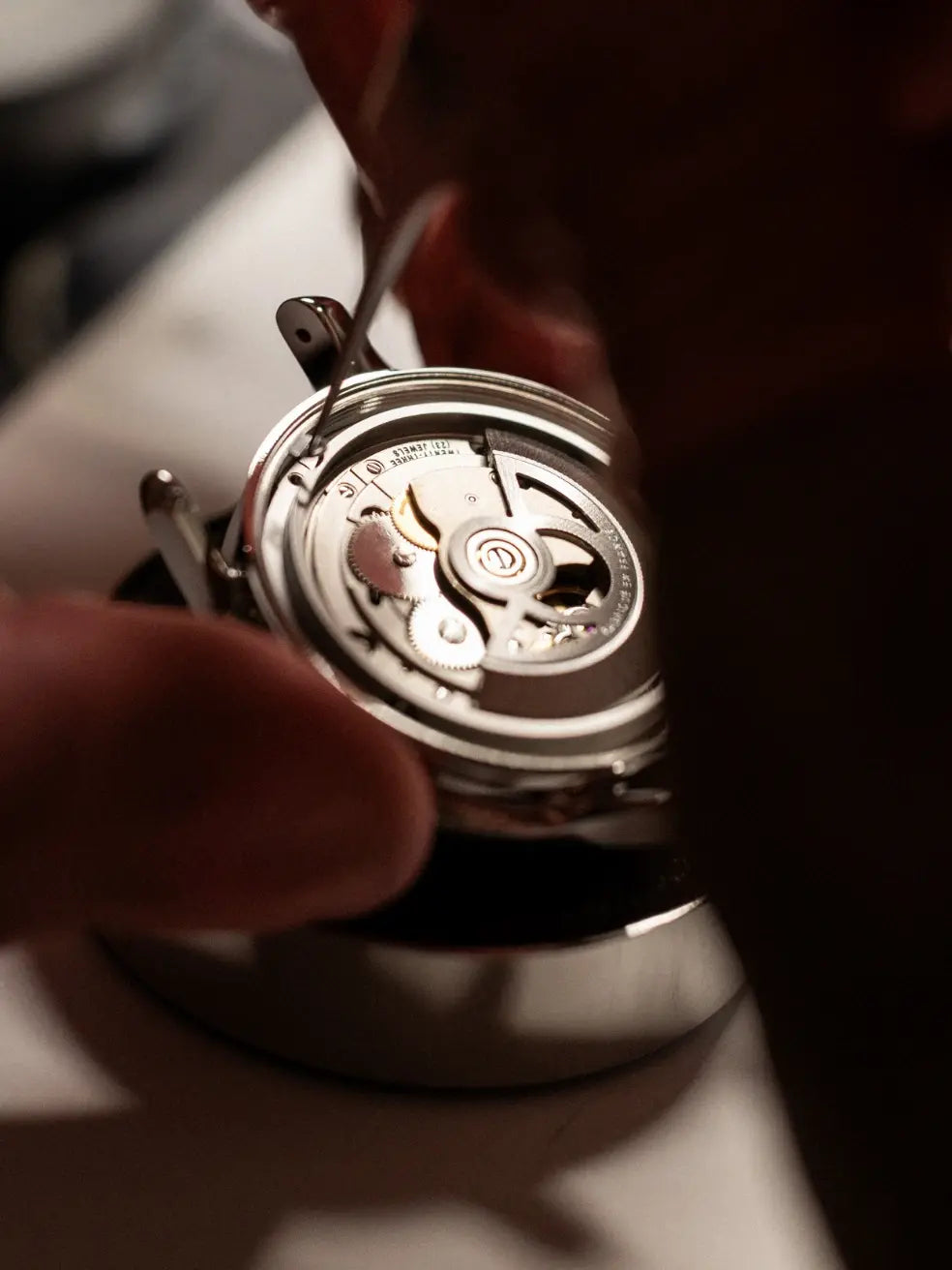
Before validation, each case is examined under several lights to reveal the slightest irregularity. Geometry, finishes, and surface quality are inspected one last time before joining the assembly workshop.
The final word always rests with the human eye. That goes without saying.