




La Pièce - The Hands
Paris - June 23, 2026
Behind the scenes at the Beaubleu Workshops are being revealed through the Production Journey. A series of articles created to explain the manufacturing stages of Beaubleu watches and the challenges they pose.
After the dials struck in the workshops of the Hôtel de la Monnaie, this second chapter focuses on the hands. These elements, whose proportions, finishes, and precision fully contribute to the identity of each Beaubleu creation.
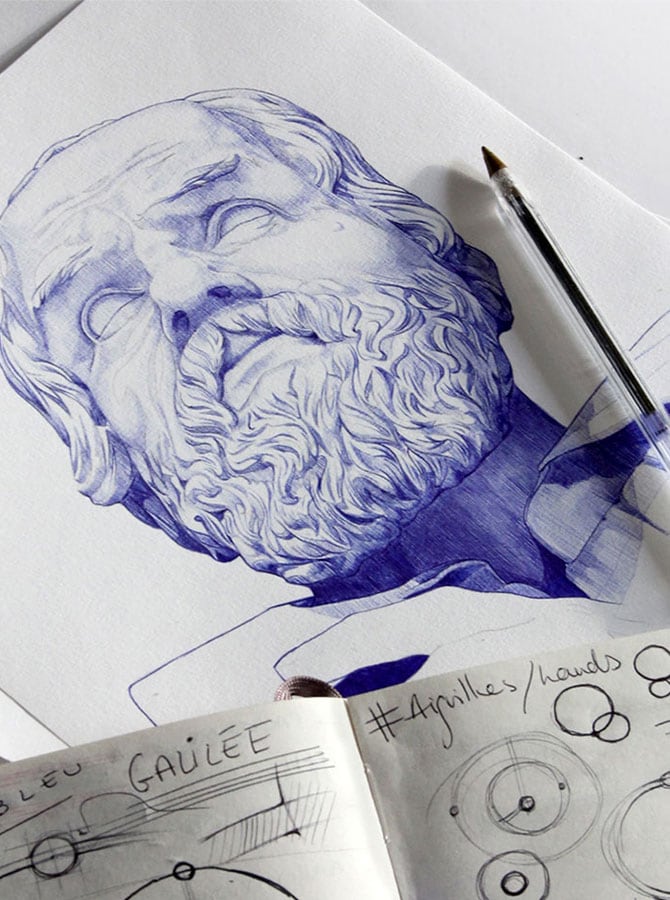
From the first sketches to the final checks, these components take shape through a succession of precise movements. The rest, ultimately, is just a matter of details.
A matter of character
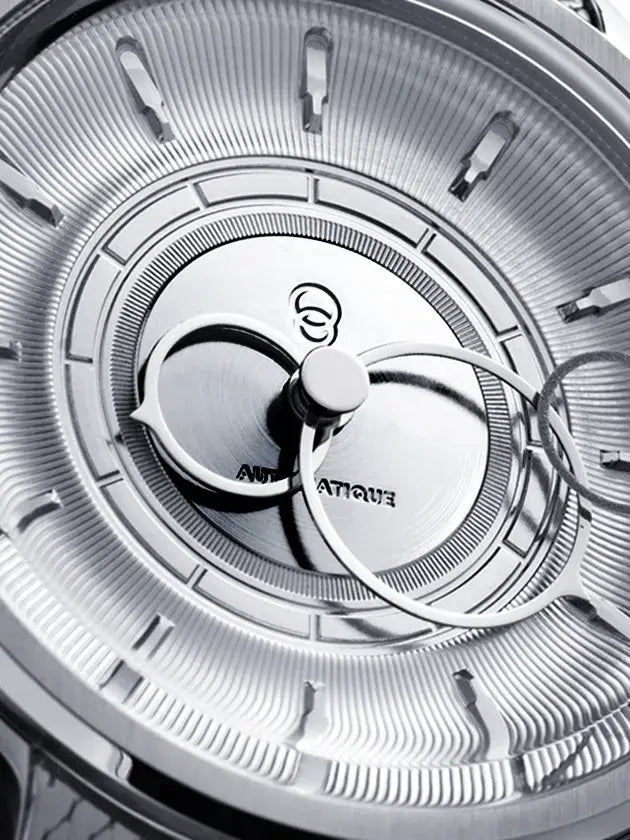
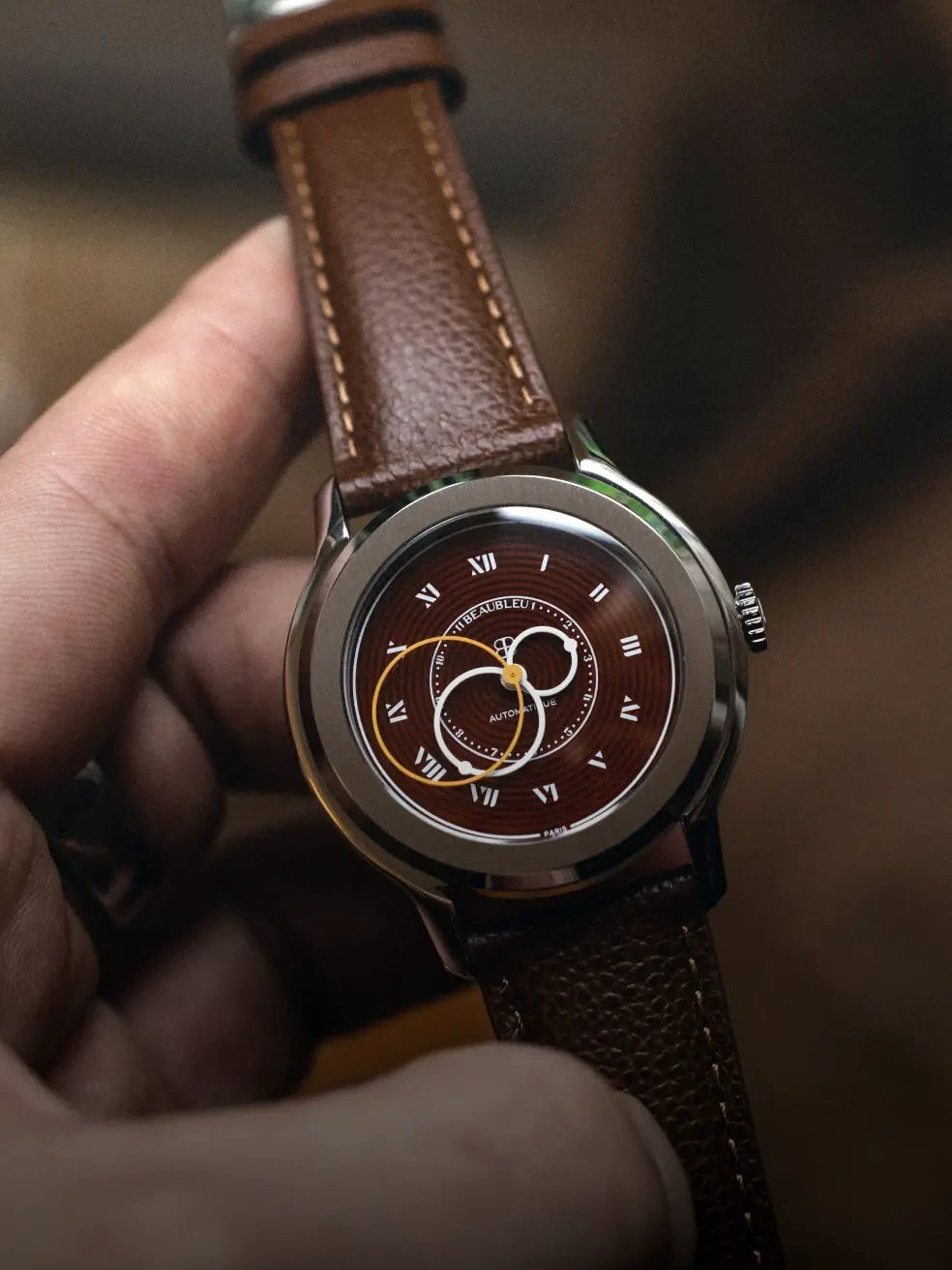
If there's one component that embodies Beaubleu's identity, it's the hands. Their manufacturing begins with the cutting of thin brass strips, before being progressively shaped to find the right balance between lightness, precision, and character. To each their own obsession.
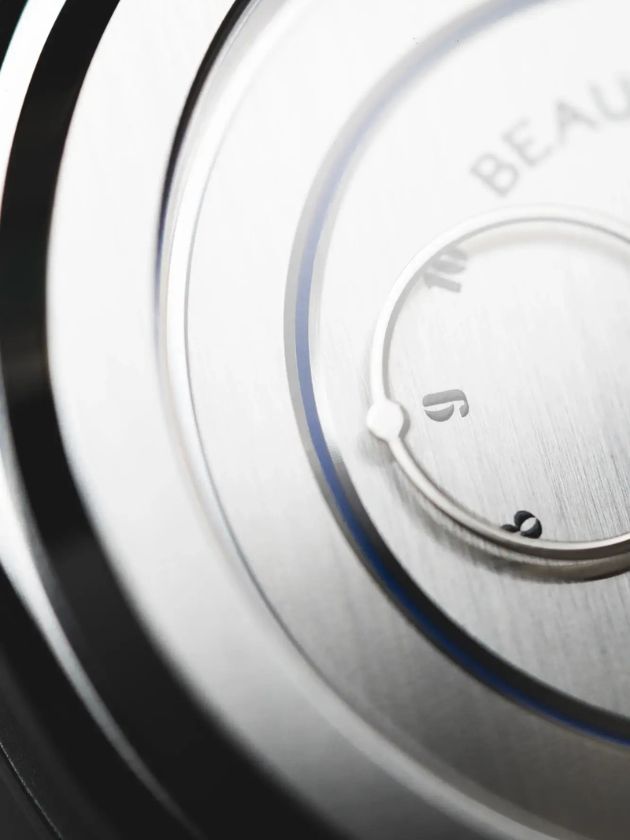
Their silhouette does not solely respond to an aesthetic intention. Polished and satin finishes reveal a play of light, while a discreetly integrated tip at their end ensures precise time reading, without ever breaking with the purity of their design.
Within a few milligrams
At first glance, a few tenths of a millimeter seem anecdotal. In watchmaking, however, they change a lot of things.
The thickness, weight, and rigidity of each hand are meticulously calculated to preserve the proper functioning of the movement. A few extra milligrams are enough to modify its behavior, while too thin a hand can lose stability.
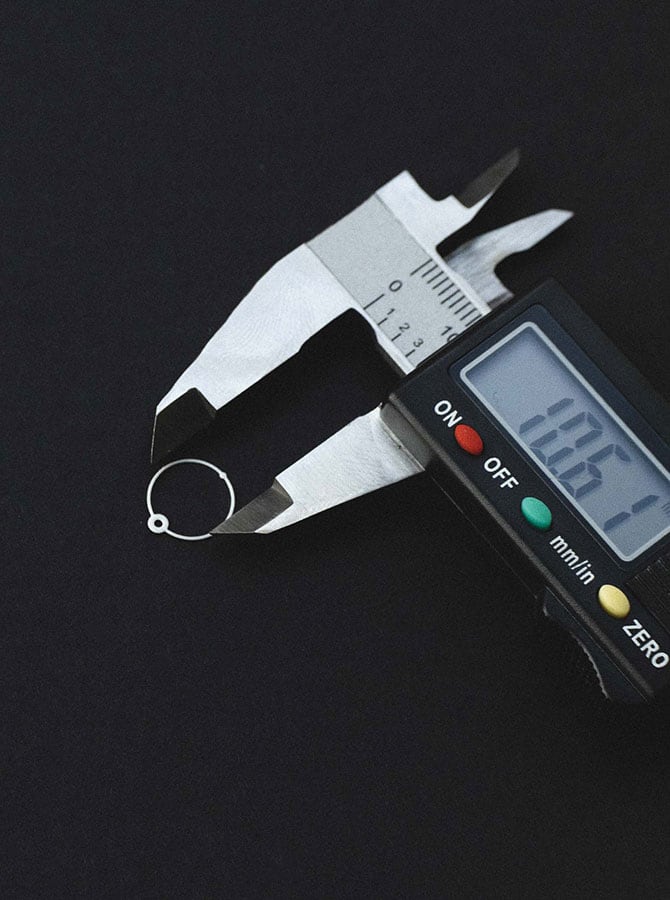
For La Pièce, the hour hand measures 10 mm in diameter, the minute hand 18 mm, for a thickness of about 0.3 mm. These dimensions require a permanent dialogue between lightness, rigidity, and accuracy.
Each drilling is carried out with extreme care to ensure perfect alignment with the movement and dial. Nothing is left to chance.
The play of reflections
The hands of La Pièce are not painted. Their shade and final appearance are born directly from the metal through a succession of surface treatments. Depending on the models, polishing, satin finishing, or micro-texturing reveal a play of light specific to each finish.
Light, however, lets nothing escape.
A scratch, a variation in texture, or a poorly controlled reflection immediately requires a complete reworking of the piece.
Each hand is inspected several times before assembly to ensure perfectly uniform finish quality.
Casually
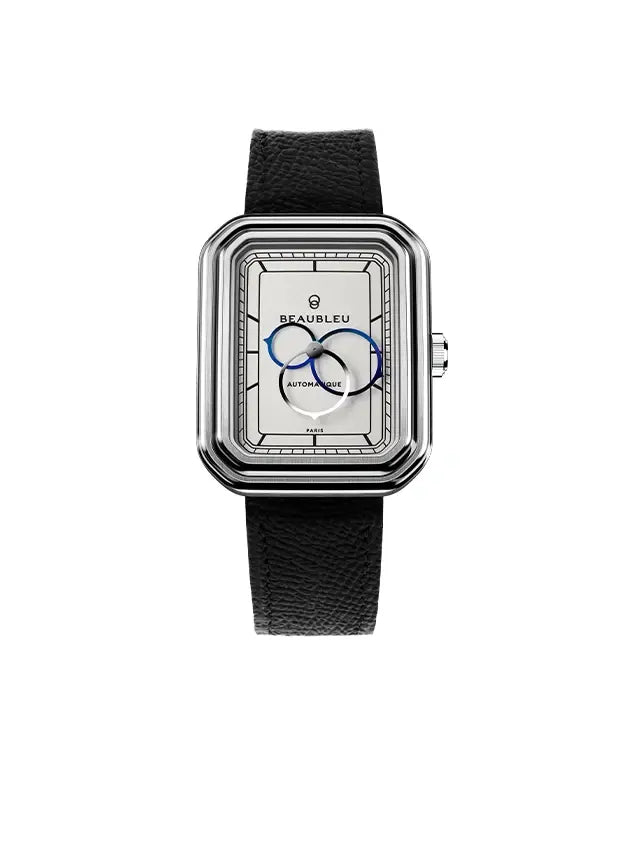
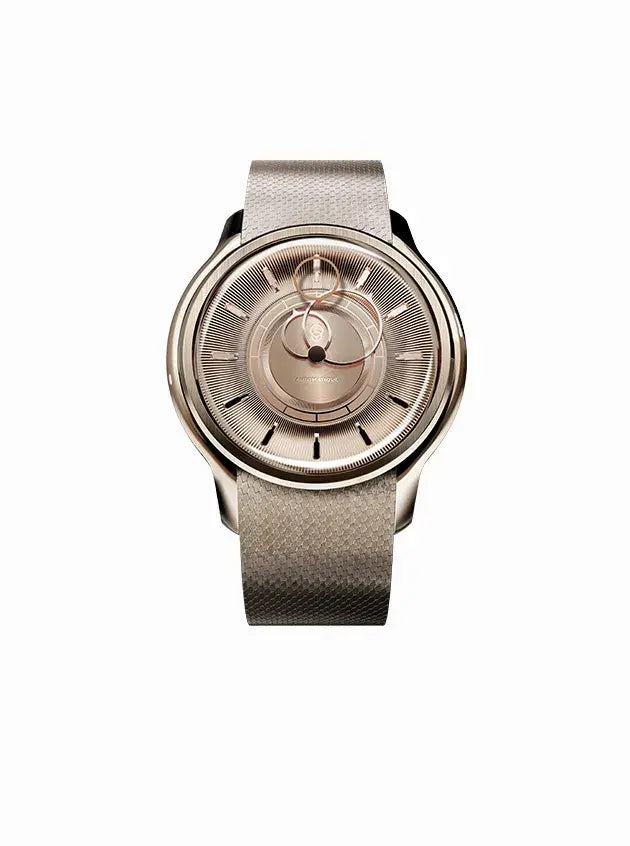
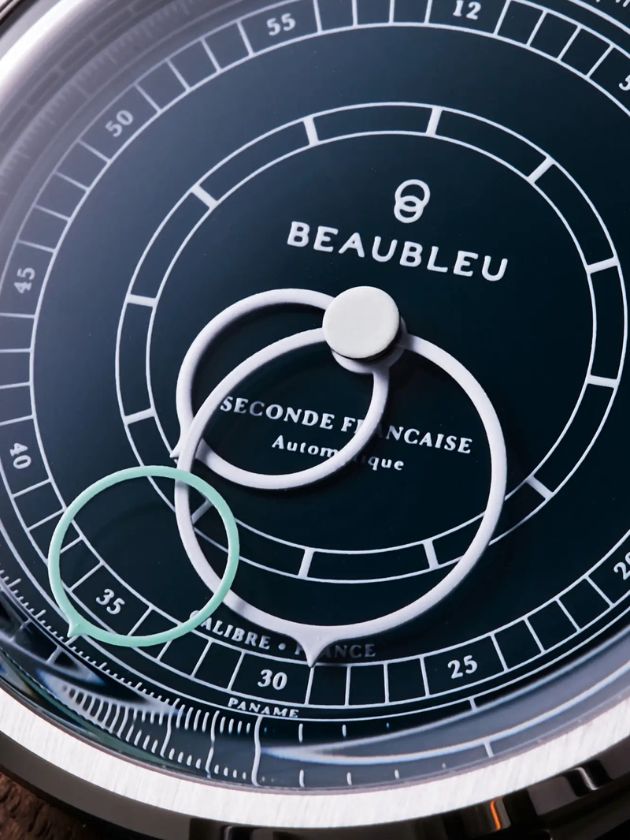
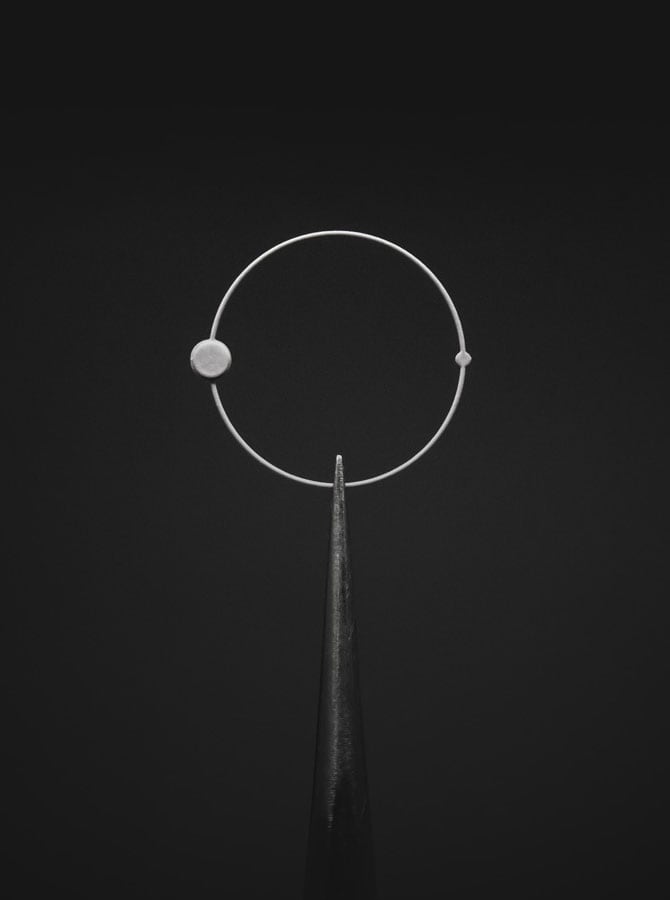
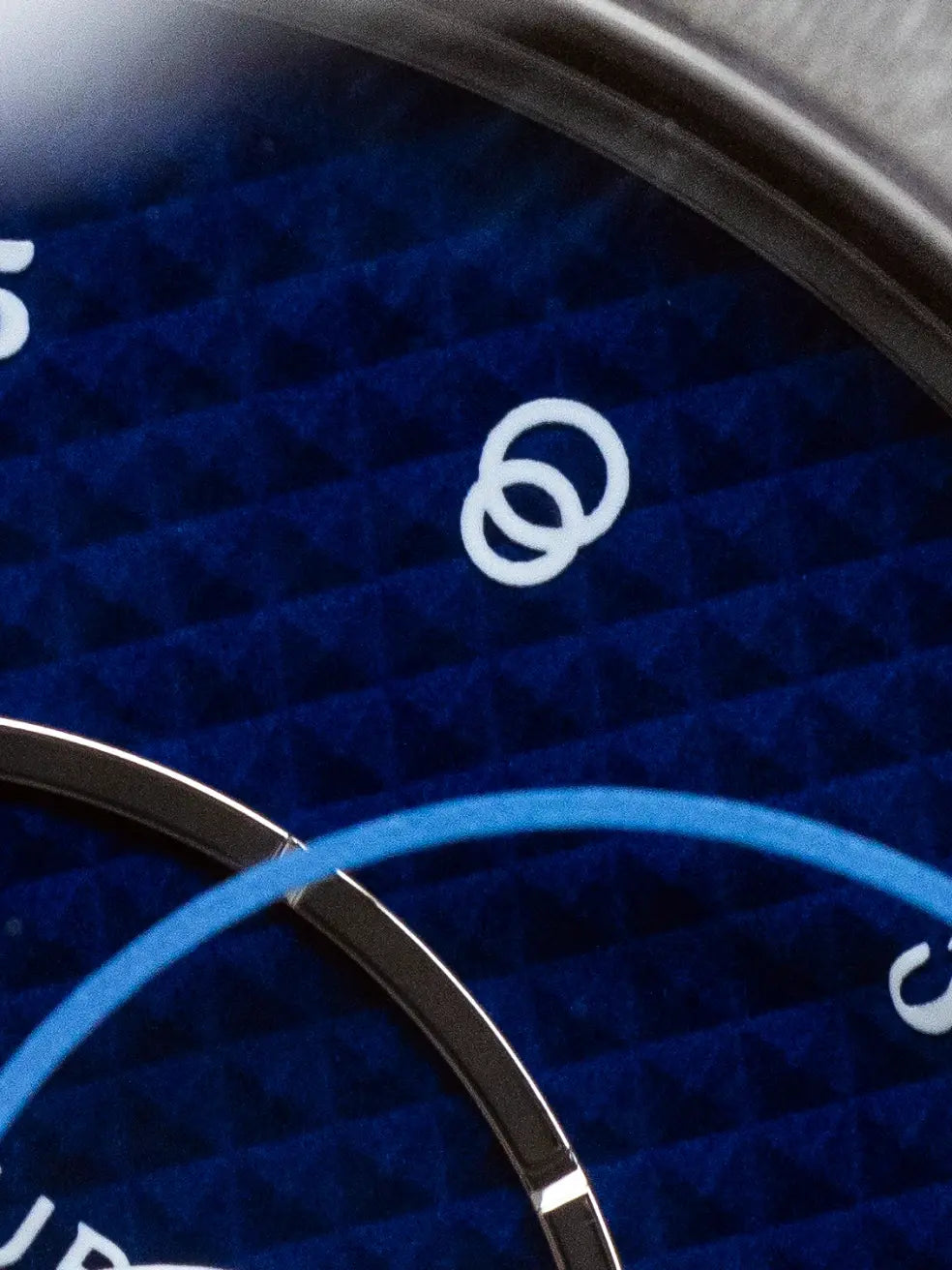
A Beaubleu signature, the floating second hand maintains its discreet yet singular presence here.
It all begins with the cutting of a disc only 0.17 mm thick. A central axis is then developed to ensure perfectly regular rotation. A few too many milligrams, and the balance disappears.
Then comes pad printing. The seconds circle receives a powdered effect print, while the central cap adopts a satin or polished finish depending on the models. Casually, this operation is among the most delicate in manufacturing.
The viscosity of the ink, the pressure applied, and the application time are rigorously controlled to obtain a perfectly uniform result. This is often where everything plays out.
The last word
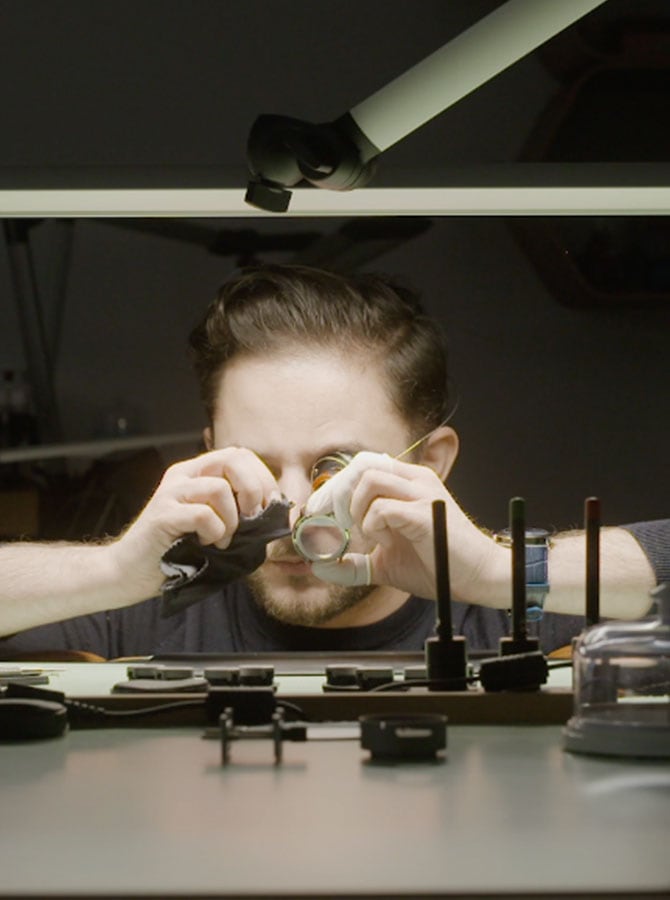
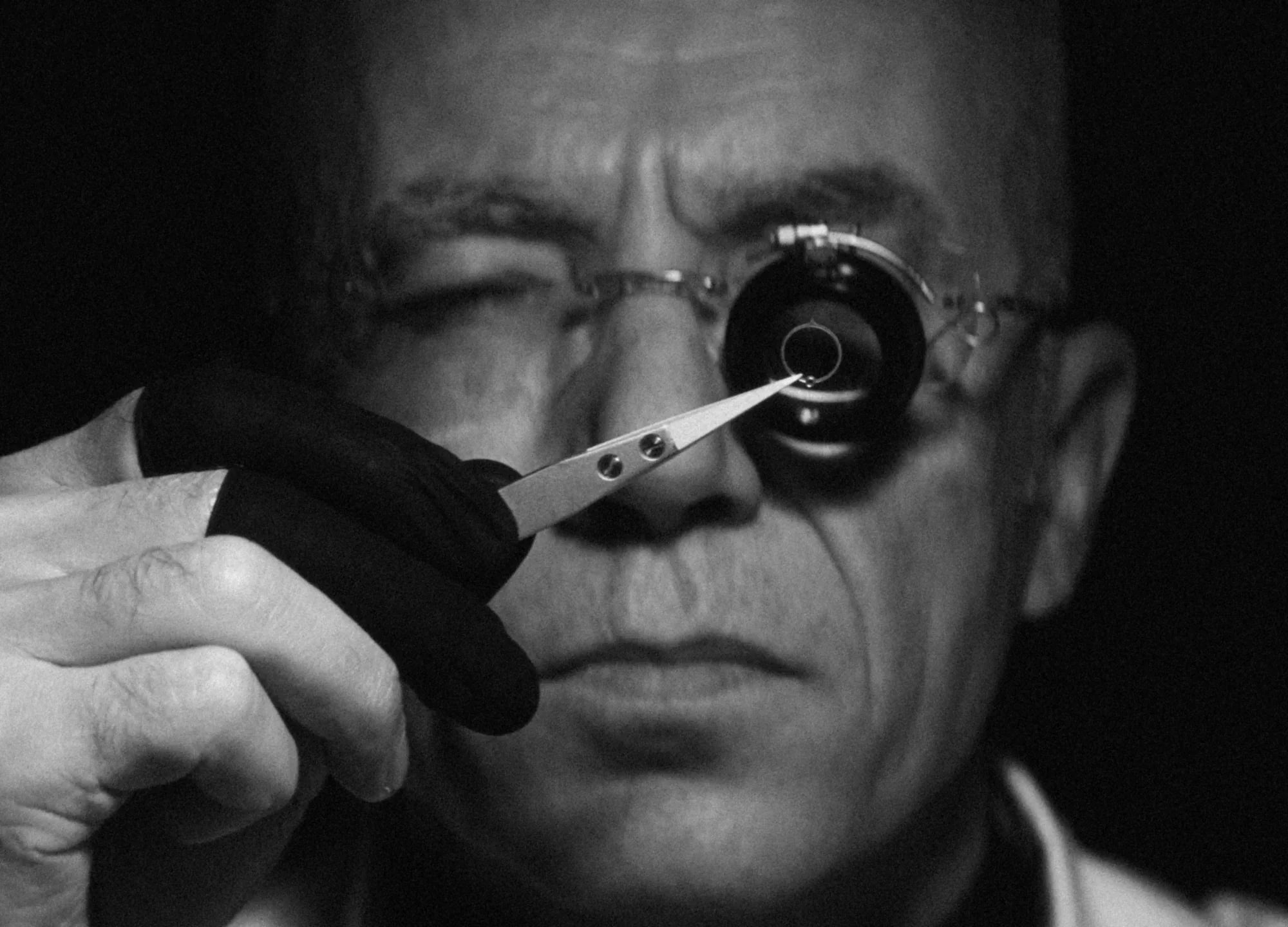
Before assembly, each hand is inspected individually. Dimensions, flatness, finishes, and shades are meticulously examined to guarantee impeccable integration with the dial.
These checks punctuate their entire manufacturing process. Polished surfaces, satin finishes, regularity of reflections, and uniformity of shades are scrutinized before reaching the assembly workshop.
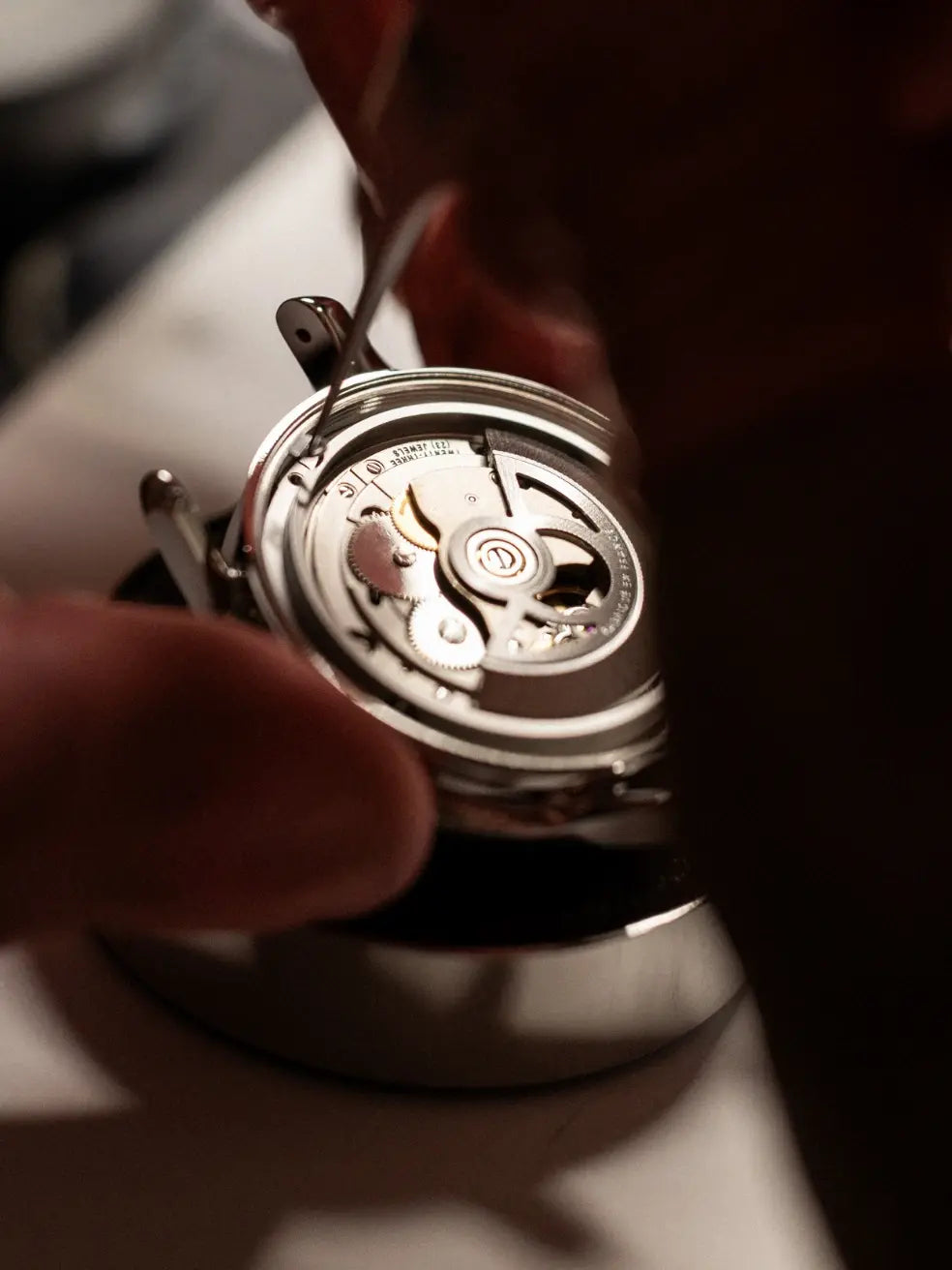
During fitting, watchmakers perform a final adjustment to avoid any contact between the elements during their rotation. A particularly sensitive operation for Beaubleu's circular hands, whose trajectory is decidedly unlike any other.
